What if Your Morning Commute Could Save You Hundreds—Without Lifting a Finger?
Imagine this: you’re stuck in traffic, sipping lukewarm coffee, scrolling through apps just to find a better deal on laundry detergent. It’s exhausting. But what if that same commute could quietly save you money, time, and stress—just by knowing your habits? The right app doesn’t just compare prices; it learns your life. And the best part? You don’t have to do a thing. No tapping, no searching, no decision fatigue. While you’re focused on the road or catching up on your favorite podcast, your phone is already working for you—spotting savings, anticipating needs, and simplifying your day. Sounds like magic? It’s not. It’s smart technology designed for real life, especially for people like us who do it all, every single day.
The Daily Grind: How We Waste Time (and Money) During Commutes
Let’s be honest—your commute probably doesn’t feel like quality time. It’s the in-between, the filler, the hour you wish you could trade for extra sleep or a few more minutes with your morning tea. For so many of us, it’s also when we try to squeeze in just one more thing: checking prices, looking up coupons, or planning the evening’s dinner while stuck at a red light. We’re multitasking out of necessity, but here’s the truth: that constant switching between apps and decisions is costing us more than we realize.
Think about your last trip to the grocery store after work. Did you drive past three different gas stations without knowing which one had the best price? Did you grab snacks at the convenience store because you forgot to check if your usual market had them on sale? These tiny choices add up—both in time and money. One study found that the average person spends over 200 hours a year commuting, and much of that time is spent making small, reactive decisions that could’ve been smarter with just a little more insight. But who has the energy for that after a long day?
The problem isn’t that we’re careless. It’s that we’re overwhelmed. We’re juggling work, family, meals, errands, and self-care, often without a support system to share the load. And because we’re always on the move, we rely on quick fixes—like impulse buys or last-minute online searches—that rarely get us the best value. The apps we use are helpful, sure, but they demand our attention. They pop up, they nag, they ask us to compare, to click, to decide. And by the time we do, we’ve already passed the store, the deal has expired, or we’ve just given up and paid full price.
This isn’t just about saving a few dollars here and there. It’s about how much mental energy we spend managing small tasks that should be simple. Every time we stop to check a price, every time we debate whether to detour for gas, we’re using up precious focus that could go toward something more meaningful—like calling a friend, planning a weekend getaway, or just breathing deeply for a moment. The real cost of our current system isn’t just financial. It’s emotional. It’s the quiet exhaustion of feeling like you’re always playing catch-up.
Meet the App That Works While You Drive (or Ride)
Now imagine a different kind of app—one that doesn’t ask for your attention but gives you back time and money instead. This isn’t another coupon collector or price tracker that needs you to search, scan, or click. This is something quieter, smarter, and far more personal. Think of it as your commute companion, the one that learns your rhythm and works in the background, like a trusted friend who knows exactly when you need something before you even realize it yourself.
Unlike most shopping apps, this tool isn’t designed to grab your attention with flashy deals or push notifications every five minutes. Instead, it operates quietly, using the data you already generate—your location, your usual routes, the stores you visit most—so it can act on your behalf. It doesn’t need you to search for discounts. It finds them for you, and only alerts you when it matters. For example, if you always stop at the same pharmacy on your way home, the app notices. And when that store runs a 20% off sale on your favorite moisturizer, it sends a simple message: “Your usual spot has your cream on sale. Just two blocks ahead.”
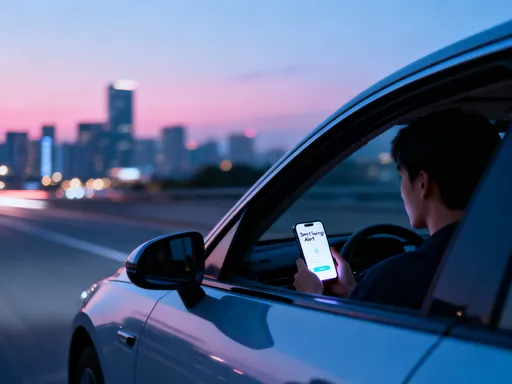
Or picture this: you’re driving home from work, and your gas light comes on. Instead of guessing which station is cheapest, the app checks real-time fuel prices along your route and suggests a stop that saves you 30 cents per gallon. It doesn’t reroute you unnecessarily. It doesn’t demand a response. It just shows you the option, quietly, so you can decide with full information. No stress, no second-guessing, just smarter choices made easy.
The magic isn’t in complexity—it’s in simplicity. This app isn’t trying to replace you. It’s designed to support you, especially when you’re solo and doing it all on your own. It doesn’t flood your screen with deals for things you’ll never buy. It doesn’t track you without permission. It learns slowly, respectfully, only using information you’ve allowed it to access. And over time, it becomes more accurate, more helpful, and more in tune with your life. The best part? You don’t have to change your routine. You don’t have to learn a new system. You just live your life—and it adapts to you.
Why Solo Users Benefit Most From Silent Savings
If you’re someone who handles everything on your own—whether you’re a single parent, a working professional living alone, or just someone who prefers to manage things independently—you already know how much mental space daily decisions take up. There’s no one to split the grocery list with, no partner to say, “Hey, I saw eggs were on sale at the other store.” You’re the planner, the buyer, the budgeter, and the one who remembers when the dog needs flea treatment. That kind of responsibility is powerful, but it’s also exhausting.
That’s why personalized automation isn’t just a convenience—it’s a lifeline. When you’re solo, every minute saved is a minute reclaimed. Every dollar saved is a step toward more freedom. And when technology can quietly handle the small stuff, it gives you room to breathe. This app doesn’t just help you save money. It helps you feel more in control, even on the busiest days.
Take Sarah, a school administrator in Portland, who started using the app after realizing she was spending over $100 a month on unplanned convenience store stops. She wasn’t careless—she was just tired. Between meetings, parent calls, and after-school activities, she didn’t have time to plan every errand. But within two weeks of using the app, she began getting alerts like, “Your grocery store has avocados on sale. You usually buy them on Thursdays—want to grab them now?” or “The gas station on Maple is $0.28 cheaper than your usual one.” She didn’t have to search. She didn’t have to remember. The app did it for her. In three months, she saved nearly $350—and more importantly, she felt less drained by the little things.
That’s the real benefit for solo users: it’s not just about the savings. It’s about the peace of mind that comes from knowing you’re not missing out, that you’re making smart choices without the effort. You’re still the one in charge. You’re still making the decisions. But now, you have a quiet ally helping you make them with confidence. And in a world that often feels like it’s moving too fast, that kind of support can make all the difference.
How It Learns You—Without You Trying
You might be wondering: how does it know what I need? Is it watching me? The answer is simpler than you think. It’s not spying. It’s learning—just like a good neighbor who starts to recognize your habits over time. Think about your favorite coffee shop. After a few visits, the barista might say, “The usual?” without you having to order. That’s the kind of relationship this app builds—with your shopping, your routines, your preferences.
It starts with basic permissions: location access and purchase history (if you choose to link a payment method). Then, over a few days, it begins to notice patterns. You stop at the same grocery store every Tuesday. You buy almond milk and bananas every week. You refill your prescription on the first of the month. It doesn’t need you to label these habits. It sees them unfold naturally. And once it recognizes a pattern, it starts looking for ways to make it easier and cheaper for you.
For example, if you always buy a certain brand of laundry detergent, the app will monitor prices at nearby stores. When it finds a better deal—say, $2 off at a market you pass every day—it sends a gentle alert. Not a loud pop-up. Not a flashing ad. Just a quiet message: “Better price on your detergent at FreshMart. Two minutes off your route.” You can choose to act on it or not. There’s no pressure. No guilt. Just information, delivered at the right time.
And don’t worry—your privacy is protected. The app doesn’t share your data with advertisers. It doesn’t sell your habits to third parties. Everything it learns stays with you, on your device, unless you choose to back it up securely in the cloud. You can pause tracking anytime. You can delete data with one tap. You’re always in control. This isn’t about surveillance. It’s about service. It’s technology that respects your boundaries while still making your life easier.
Real Gains: Time, Money, and Mental Space
Let’s talk about what this actually means in real life. We’re not talking about saving pennies. We’re talking about hundreds of dollars a year—money that can go toward a weekend getaway, a new pair of shoes, or just a little extra breathing room in your budget. One user in Denver reported saving $127 in a single month just by catching gas and grocery deals she would’ve otherwise missed. Another, a nurse in Austin, saved over $200 in two months by getting alerts for pharmacy discounts and seasonal sales on household items.
But the financial savings are only part of the story. The bigger win? Time and mental clarity. How many minutes do you spend each week switching between apps, comparing prices, or debating whether to make a stop? One user calculated she was spending nearly 90 minutes a week just managing small shopping decisions on her phone. After using the app, that dropped to less than 15 minutes. She wasn’t just saving money—she was reclaiming her attention.
And that’s where the emotional payoff comes in. When you’re not constantly worrying about whether you’re getting the best deal, when you’re not second-guessing every purchase, you feel lighter. You have more energy for the things that truly matter—like reading a book, calling your sister, or just sitting quietly with your thoughts. Decision fatigue is real, and it wears us down. But when technology handles the small choices, we can focus on the big ones—like how we want to spend our time, what we want to grow into, and how we want to feel at the end of the day.
These aren’t dramatic changes. They’re quiet wins. But over time, they compound. You start to trust your routine more. You feel more in sync with your life. And you realize that you don’t have to do it all alone—because you’ve got a tool that’s working for you, even when you’re not thinking about it.
Getting Started: Simple Setup, Instant Peace of Mind
The best part? Getting started takes less than five minutes. There’s no complicated setup, no long forms, no technical know-how required. You download the app, allow location access (so it can learn your routes), and optionally link a payment method if you want it to track your purchases automatically. That’s it. For the first few days, it just observes. It doesn’t interrupt you. It doesn’t send alerts. It’s like a new neighbor getting to know the block.
By the end of the first week, you’ll start to see small suggestions—maybe a heads-up about a coffee deal at your usual stop, or a reminder that your favorite yogurt is on sale. At first, you might not believe it. “Wait,” you’ll think, “it *knew* I’d need shampoo today?” And then you’ll remember—you bought it every third Thursday for the past two months. The app noticed. It remembered. And now, it’s helping.
One user, a busy mom in Minneapolis, said her favorite moment came when the app alerted her to a 40% off sale on her son’s allergy medication—two days before she was due to refill. “I didn’t even know it was on sale,” she said. “I just got the message and thought, ‘Oh, thank you.’ It felt like someone had my back.” That’s the goal—not to replace your judgment, but to support it. To give you that little boost of confidence when you need it most.
And if you ever want to pause it, you can. If you’re traveling or on vacation, you can turn off location tracking with one tap. When you’re back, it picks up right where it left off. There’s no pressure to be perfect. No guilt for missing a deal. It’s designed to fit your life, not the other way around.
This Isn’t Just About Shopping—It’s About Living Lighter
At the end of the day, this isn’t really about apps or technology. It’s about how we want to live. For so many of us, especially those of us managing life on our own, the goal isn’t to do more. It’s to feel more—more peace, more joy, more control. We don’t want to be superheroes. We just want to make it through the week without feeling drained.
That’s why tools like this matter. They don’t shout. They don’t demand attention. They simply help. They take the noise out of daily life so we can hear ourselves think. They save us money not by making us bargain hunters, but by making us more aware. They save us time not by speeding us up, but by slowing down the chaos.
For the solo commuter, the working parent, the busy professional—every saved dollar is a step toward freedom. Every reclaimed minute is a gift. And every time the app says, “Hey, your store has your favorite tea on sale,” it’s not just offering a deal. It’s saying, “I see you. I know your rhythm. I’ve got this.”
Technology should serve us, not stress us. It should empower us, not exhaust us. And when it works quietly in the background, learning our lives and making them easier, it becomes more than a tool. It becomes a quiet partner in the journey—helping us breathe easier, live smarter, and move through the world with a little more grace. Because the best things in life aren’t loud. They’re the ones that simply help you feel, at the end of a long day, that you’re exactly where you need to be.