I Don’t Have Time to Save Money—Until Cashback Apps Became My Daily Habit
We’ve all said it: “I’ll save money later.” But between work, family, and the daily rush, that moment never comes. What if small, effortless habits could quietly grow your savings? I used to ignore cashback apps—until I realized they weren’t about big wins, but consistent, no-effort gains. This is how I turned forgetful shopping into a money-saving rhythm that actually fits real life. It didn’t take more willpower. It took a smarter way to live—one that works with my routine, not against it.
The Breaking Point: When "I’ll Save Later" Finally Ran Out
There was a Tuesday, like any other, when everything came to a head. I was folding laundry at 9 p.m., my youngest finally asleep, and I opened my banking app. My stomach dropped. Bills were piling up. The grocery total from the weekend still stung. And the savings account? Basically untouched. I had promised myself I’d start saving “when things settled down.” But things never settled. Work stayed busy. The kids still needed new shoes. Life kept moving, and I was stuck in the same spot, emotionally and financially.
I realized then that waiting for the “perfect time” was just another form of avoidance. I wasn’t lazy—I was overwhelmed. The idea of budgeting spreadsheets, cutting out coffee, or setting up automatic transfers felt like one more task on an already full plate. And honestly? I didn’t trust myself to stick with it. I’d try, fail, feel guilty, and give up. That cycle was exhausting. What I needed wasn’t another guilt trip or a rigid plan. I needed something simple—something that didn’t ask me to be perfect, just consistent. I needed a system that didn’t rely on motivation, because motivation fades. What doesn’t? Habits. Tiny, repeatable actions that add up without draining you.
That night, I made a quiet promise: no more waiting. I didn’t need a big change. I needed a small one that could survive the chaos of real life. And that’s when I started looking for tools that worked with my reality, not against it.
Discovering the Hidden Tool: Cashback Apps Were Already in My Pocket
It sounds silly now, but I used to think cashback apps were for people who had too much time on their hands—deal hunters, coupon clippers, the kind of folks who planned their grocery trips around weekly flyers. That wasn’t me. I shopped when I could, often tired, sometimes hungry, and definitely not in the mood to compare ten different apps for a 50-cent difference. So I ignored them. Until a friend mentioned she’d earned $40 in cashback last month—just from her regular shopping.
“Wait, you didn’t do anything different?” I asked. She shrugged. “I just used the app when I paid. It took two seconds.”
That stuck with me. Two seconds. Not hours of planning. Not tracking every penny. Just two seconds. I downloaded one of the popular apps that night—no big expectations. I didn’t even set a goal. I just decided to try it the next time I went to the store.
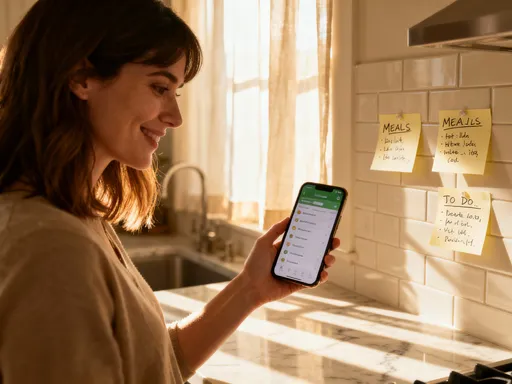
The first time I used it, I was at the grocery checkout, juggling reusable bags and a fussy toddler. I opened the app, scanned my receipt, and within minutes, I saw $1.87 added to my account. It wasn’t life-changing money. But something about it felt different. It wasn’t something I had to sacrifice for. I hadn’t skipped coffee or said no to the kids’ favorite snacks. I just did one tiny thing—and got a little reward. No guilt. No effort. Just a quiet “ping” of progress.
That’s when I realized: I’d been thinking about saving all wrong. I’d assumed it meant giving something up. But what if saving could also mean gaining—effortlessly? What if the goal wasn’t to do more, but to do smarter? Cashback apps weren’t about chasing deals. They were about making the money I was already spending work a little harder for me.
Small Wins, Big Shift: How $3.50 Started a Habit
A few weeks later, I earned $3.50 from a pharmacy run. Same routine—same tired mom energy. But this time, when I saw that amount in my app, I actually smiled. It wasn’t about the money. It was about the win. I had done something good for my future self, and it hadn’t cost me anything extra. That’s when I started to notice a shift in my thinking. I wasn’t waiting for the weekend to “treat” myself anymore. I was getting little treats just for living my normal life.
Psychologists call this “positive reinforcement”—when a small reward strengthens a behavior. Every time I got that notification, it reminded me I was on the right track. And because it felt good, I wanted to do it again. I started linking the app to things I already did every day. After I paid for groceries? I scanned the receipt. While my coffee brewed in the morning? I checked for new offers. It became part of the rhythm, like brushing my teeth or packing lunches.
I also began celebrating those tiny deposits. I’d tell my husband, “Hey, I just got $2.10 from the gas station!” He’d laugh, but I could see he was impressed. And more importantly, I felt proud. Not because $2.10 would pay a bill, but because I was building a habit that proved I could make progress—even on the days when everything else felt out of control.
The real magic wasn’t in the money. It was in the mindset. I stopped seeing myself as someone who “was bad with money.” Instead, I became someone who found little ways to grow it—automatically, quietly, consistently. And that shift? It changed everything.
Designing the Routine: Making It Effortless, Not Another Task
Here’s the truth: no habit lasts if it feels like work. I tried using three different cashback apps at first, thinking more meant better results. But it backfired. I got confused about which offers were active. Notifications popped up at odd times. I missed scans because I didn’t know which app to use. It became another source of stress—not savings.
So I simplified. I picked one app—the one with the cleanest interface and the most reliable grocery and pharmacy rewards—and disabled the others. I didn’t delete them; I just stopped using them. That reduced the mental clutter. One app. One system. No decisions.
Next, I built reminders into my day. I set a weekly calendar alert for Sunday night: “Check cashback app.” Not because I needed to do anything urgent, but to review my earnings and plan for the week. I also paired receipt scanning with my lunch prep. While I was chopping veggies or packing containers, I’d open the app and upload any recent receipts. It took less than 30 seconds, and it became as routine as setting the table.
I also learned to ignore perfection. Some weeks, I forgot. Some receipts got lost. And you know what? It didn’t matter. I wasn’t aiming for 100%. I was aiming for consistency. The app didn’t judge me. It just waited for the next chance to help. And over time, those imperfect efforts added up to real money—$70 here, $90 there—quietly building a cushion I didn’t have before.
The lesson? Simplicity beats intensity every time. You don’t need a perfect system. You need one that fits. And when a habit feels easy, it stops being a chore and starts being a part of who you are.
Beyond Savings: How This Habit Gave Me Back Time and Peace
The money was nice, but the real gift was something I didn’t expect: peace of mind. I used to feel guilty every time I spent money—even on necessities. Was I overspending? Could I have found a better deal? Should I have waited? That mental noise was exhausting. But with cashback, even small purchases felt a little more intentional. I wasn’t just spending. I was earning, too.
That shift eased tension at home. My husband and I used to have low-key arguments about money—nothing explosive, but that nagging worry about whether we were “doing enough.” Now, when I mention I earned $5 from our takeout order, he smiles. We’ve stopped seeing spending as purely a loss. Instead, we see it as an opportunity—small, but real—to grow what we have.
And because I wasn’t constantly stressed about saving, I had more mental space for what really mattered—my family, my health, my joy. I wasn’t obsessing over every dollar. I was living my life, and the savings were happening in the background. That’s the power of frictionless habits. They don’t demand your energy. They return it.
I also noticed I was more present. On weekends, I wasn’t mentally calculating how much we were spending at the park or the museum. I was just enjoying the moment. Because I knew that even if we splurged on ice cream, I could still earn something back. That tiny safety net made me feel freer—not reckless, but balanced. And in a world that often asks women to do more with less, that sense of balance is priceless.
Sharing the Rhythm: Turning a Personal Habit into Family Support
I didn’t force it on my family. I just started sharing what I was doing—casually, without pressure. One night, I said at dinner, “Guess how much cashback I got this week? $18!” My teens looked up, interested. “From what?” my daughter asked. I showed them—groceries, gas, a few online orders. “You just scan the receipt?” my son said. “Yeah,” I said. “Two seconds. And it adds up.”
That sparked a little family game. We started comparing weekly totals like step counts on a fitness tracker. My husband got competitive—he found an offer I’d missed and earned $12 on a hardware store run. My daughter started using the app for her part-time job purchases. We even decided that once a quarter, we’d use the accumulated cashback for a family outing—mini-golf, a movie night, a special dinner.
What surprised me most was how it built awareness without stress. We weren’t tracking every dollar. We weren’t cutting back. We were just being a little smarter with what we were already doing. And because we were in it together, it felt like teamwork, not tension. It wasn’t about controlling money. It was about growing it—quietly, together.
That transparency strengthened our trust. We weren’t hiding purchases or feeling guilty. We were celebrating small wins. And for a family that’s always rushing, that shared moment of “Hey, we did something good” was a quiet win in itself.
The Bigger Picture: Tiny Tech Habits That Transform Everyday Life
Looking back, I realize cashback apps didn’t just help me save money. They changed my relationship with technology, time, and self-trust. I used to see tech as another distraction—another thing pulling my attention. But this showed me that tech can also be a quiet ally. It can work in the background, helping you move forward without adding noise.
The real lesson wasn’t about cashback. It was about alignment. Sustainable change doesn’t come from big overhauls. It comes from finding small tools that fit your life—not ones that fight it. It’s about choosing habits that ask little but give back consistently. And it’s about giving yourself credit—for the small things, the quiet efforts, the days when just showing up is enough.
I still don’t have extra time. My days are just as full. But now, I have a rhythm. A system that works with me, not against me. And that makes all the difference. Progress doesn’t have to be loud. It doesn’t have to be perfect. It can be the quiet ping of a reward notification, the calm after a long day, the knowing that you’re moving forward—without burning out.
So I’ll leave you with this: What small tech habit could support your life in the same way? Not a big commitment. Not another task. Just one tiny, frictionless action that adds up over time. Maybe it’s a savings app. Maybe it’s a meal planner. Maybe it’s a mindfulness tool. Whatever it is, look for what fits—not what fights. Because real change isn’t about doing more. It’s about doing differently. And sometimes, the smallest tools make the biggest difference.