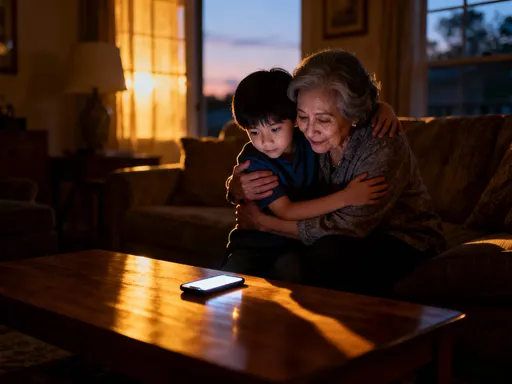
From Forgotten Dates to Cherished Moments: How Tech Keeps My Family Connected
Family anniversaries used to slip through the cracks—until I found a simple way to remember them all. You know that sinking feeling when you realize you missed a parent’s milestone or a sibling’s special day? I’ve been there. One year, I forgot my dad’s 65th birthday. Not because I didn’t care—I loved him deeply—but because I was juggling work deadlines, school pickups, and my own health routine. By the time I remembered, it was a week late. His “It’s okay” over the phone didn’t fool me. I heard the quiet hurt beneath it. That moment stayed with me. What if technology could help us stay emotionally close, not just practically organized? This is the story of how one small change made our family bonds stronger.
The Weight of Forgotten Dates
It starts so innocently. A birthday slips by. A wedding anniversary passes without a word. A child’s school performance happens while you’re stuck in a meeting. We tell ourselves we’ll make it up later, but the truth is, those moments don’t come back. And each one that’s missed leaves a tiny crack in the foundation of our relationships. I used to think forgetting was a personal failure—a sign I wasn’t trying hard enough. But the reality is, our brains aren’t built to hold onto every date that matters, especially when life piles on responsibilities. We’re not bad people for forgetting; we’re just human.
I remember one particular Easter Sunday. My mom had been talking for weeks about her sister’s 50th birthday, which fell on the same day. “She’s been through so much,” Mom said, “This one means a lot.” I nodded, mentally filing it away. But that morning, I was rushing to get the kids ready for church, the dog needed a walk, and the ham was drying out in the oven. By the time I sat down at the table, the day was half over. It wasn’t until I saw Mom’s quiet face that I remembered. “Did you call Aunt Diane?” I asked. She just shook her head. “No. I forgot.” The disappointment in her voice wasn’t about the missed call—it was about feeling like something important had been overlooked. That moment taught me something: forgetting isn’t neutral. It carries emotional weight. It sends a message, even when we don’t mean it to.
Over the years, those small omissions added up. A cousin’s recovery from surgery went unacknowledged. A nephew’s first soccer game passed without a cheer from the sidelines. Each time, I felt a little more disconnected, a little more like I was failing the people I loved most. I wasn’t alone in this. I started talking to other women in my book club, my yoga class, even the checkout line at the grocery store. So many of us were carrying the same guilt. “I meant to call,” we’d say. “I just got busy.” But “busy” wasn’t an excuse—it was a pattern. And I knew I needed to break it.
A Small Discovery That Changed Everything
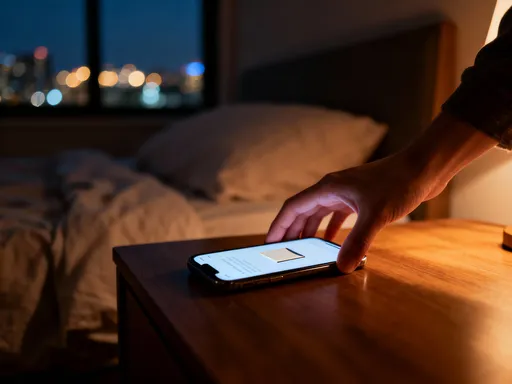
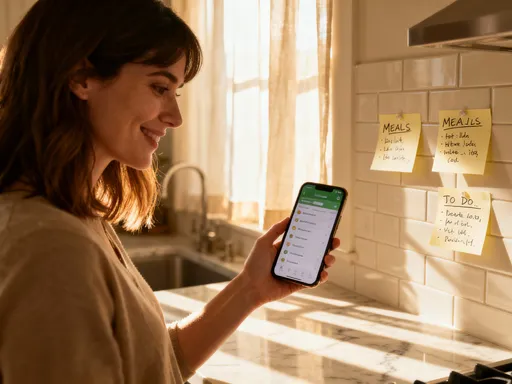
The shift didn’t come from a grand revelation. It came from a workout reminder. I had just started using a fitness app, and every morning at 7:15, my phone would buzz: “Time for your walk!” Simple. Effective. No willpower required. One day, as I tapped “Snooze,” I had a thought: if my phone could remind me to move my body, why couldn’t it remind me to care for my family? That night, I opened my calendar app and started typing. First, my parents’ wedding anniversary. Then my sister’s birthday. Then my niece’s dance recital next month. I set alerts for each—some a week in advance, some the day of. I even added a note: “Call Mom. Say ‘I love you.’”
A few days later, a notification popped up: “Dad’s Birthday – in 3 days.” I smiled. It wasn’t just a reminder; it felt like a nudge from the future version of myself I wanted to be—the one who showed up, who remembered, who cared out loud. That year, I didn’t miss Dad’s birthday. I called early, sent a card, and even baked his favorite banana bread. When he answered the phone, his voice was warm. “You remembered,” he said. “That means more than you know.”
That moment changed everything. I realized technology wasn’t just for managing tasks—it could protect what mattered most. The calendar wasn’t replacing my love; it was helping me express it. And the best part? It required almost no extra effort. I wasn’t adding more to my plate. I was just using a tool I already had in a way that served my heart, not just my schedule. From then on, I started treating family dates like appointments I couldn’t miss—because in a way, I couldn’t. These weren’t just dates on a calendar. They were promises.
Turning Reminders into Rituals
But here’s what I learned: a notification alone isn’t enough. The real magic happens when you pair it with action. At first, I treated the alerts like to-do items. “Call Aunt Susan.” Done. But over time, I started thinking differently. What if these weren’t just tasks, but invitations? Invitations to connect, to honor, to show up in small but meaningful ways? That’s when I began turning reminders into rituals.
For my mom, I started sending a voice note every Mother’s Day week. Just a minute or two: “Hi Mom, I was thinking of you today. Remember when we used to bake cookies every Christmas? I still use your recipe.” I’d record it while folding laundry or waiting for the kettle to boil. Simple. Real. And every time, she’d call back, her voice a little thicker than usual. “I saved it,” she’d say. “I listen to it when I miss you.”
For my brother’s kids, I began ordering a small book each year for their birthdays. Not something flashy—just a sweet story with a note inside: “For Emma, with love from Aunt Sarah. Can’t wait to read this with you next time we visit.” I scheduled the order a week before the big day, so it would arrive on time. No last-minute panic. No guilt. Just love, delivered.
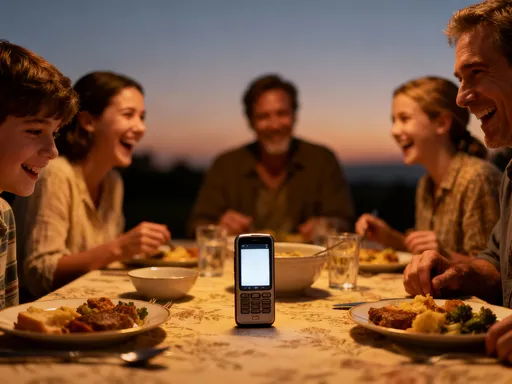
And sometimes, it was just a phone call during dinner. I’d see the alert, pick up the phone, and hear my cousin’s surprised laugh: “Wait, is it my birthday already? I forgot!” But she hadn’t forgotten how much it meant that I remembered. Those two-minute calls didn’t change the world, but they changed our relationship. They rebuilt trust. They said, “You matter. I see you. I’m here.” And slowly, the distance that had grown over years of silence began to shrink.
Goal Tracking for Family Growth
Once I got comfortable with reminders, I started thinking bigger. What if I could track not just dates, but intentions? Things I wanted to do more of as a family member, not because they were urgent, but because they were important. I downloaded a simple habit tracker app—nothing fancy, just a grid where I could check off daily or weekly goals. I started small: “Call Aunt Lisa once a month.” “Email my nephew a photo of something beautiful I saw that week.” “Cook Grandma’s chicken soup with the kids.”
At first, I missed more than I hit. Life got busy. I forgot to check the app. But over time, those little boxes to tick became motivating. There was something powerful about seeing a streak build: four weeks of monthly calls, six photos shared with my nephew. It wasn’t about perfection—it was about progress. Each checkmark felt like a quiet victory, a small act of love made visible.
One of my favorite goals was cooking Grandma’s soup. She’d passed away years ago, but her recipe was one of those treasures I carried forward. I set a goal to make it with my daughter once a quarter. The first time, we followed the handwritten card, laughing at how “⅓ cup butter” really meant “however much feels right.” We took a photo and uploaded it to the app as proof. My daughter said, “I feel like Nana’s here.” And she was. Not in a ghostly way, but in the warmth of the kitchen, the smell of thyme, the way we stirred the pot together. The app didn’t make us do it—but it gave us a reason to start.
These goals weren’t about productivity. They were about presence. They helped me focus on what I truly valued: connection, tradition, love in action. And because they were measurable, I could see how much I was giving—not just time, but heart. That visibility made all the difference. It turned vague wishes into real moments. It turned “I should call more” into “I did.”
Teaching the Next Generation
One summer, my teenage nephew stayed with us for a week. He was bright, kind, but like most teens, glued to his phone for games and music. One evening, I showed him my calendar app. “See this?” I said. “This is how I remember everyone’s birthdays.” He raised an eyebrow. “You use your phone to remember your family?” I laughed. “Yes. And it works.” I walked him through how to add his mom’s birthday, set a reminder, and even write a note: “Buy flowers” or “Make her favorite pancakes.” He rolled his eyes but did it.
Two months later, he called me, excited. “Aunt Sarah! I remembered Mom’s birthday before anyone else! I even got her a gift!” I could hear the pride in his voice. That moment was everything. It wasn’t just about the birthday—it was about him feeling capable, caring, connected. He hadn’t just learned how to use an app. He’d learned how to love intentionally.
Since then, I’ve shown my daughter how to do the same. At ten, she now sets reminders for her teachers’ birthdays, her best friend’s pet’s adoption day, even “Call Grandma just to say hi.” She doesn’t see it as tech—she sees it as being kind. And that’s exactly what I hoped for. Technology isn’t replacing human warmth; it’s helping the next generation express it more easily. It’s teaching them that caring doesn’t have to be spontaneous to be meaningful. Sometimes, it just needs a little nudge.
What I love most is watching how these small habits ripple out. My nephew now reminds his younger sister about their dad’s work anniversary. My daughter texts her cousin when she knows they’re having a tough week. The tools are simple, but the culture we’re building is powerful: one where remembering is normal, where love is visible, where family stays close by design, not by accident.
When Tech Fades into the Background
The most beautiful part of this journey? The technology eventually became invisible. I don’t think about the app anymore. I don’t stress about the alerts. They just happen, like breathing. And because I’m not using mental energy to remember, I have more space to feel. More space to listen. More space to be present.
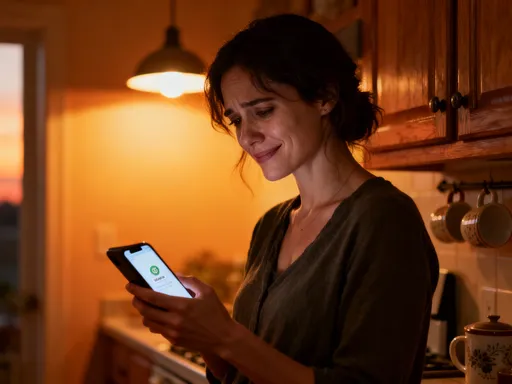
I remember one Sunday morning, my phone buzzed: “Call Aunt Diane – monthly check-in.” I picked up, no hesitation. We talked for forty minutes about her garden, her new puppy, her worries about retirement. At the end, she said, “You know, these calls mean so much to me. I feel less alone.” I hung up, tears in my eyes. The app hadn’t created that moment—but it had made it possible. It had cleared the clutter so the connection could flow.
That’s the truth I’ve come to understand: good technology doesn’t replace humanity. It supports it. It doesn’t intrude on emotional life—it makes room for it. We used to think of tech as cold, mechanical, distant. But in this context, it’s warm. It’s kind. It’s the quiet helper that lets us be better versions of ourselves. It doesn’t demand attention. It gives us the gift of attention—to others, to relationships, to love.
And the best part? It doesn’t require being a tech expert. You don’t need the latest phone or a complicated system. Just a calendar, a reminder, and the willingness to act. That’s it. The tools are simple. The intention is everything.
A Life Where Love Is Easier to Show
Looking back, I see how much has changed. The guilt is gone. The missed moments are rare. Our family feels closer, not because we live near each other or talk every day, but because we show up—consistently, intentionally, with love. And it all started with a single decision: to stop relying on memory and start using a tool that cares as much as I do.
This isn’t about being perfect. I still forget things. I still have busy weeks. But now, I have a safety net. A system that holds my love until I’m ready to express it. And that makes all the difference. Because love isn’t just a feeling—it’s an action. And actions, even small ones, build bonds that last.
I think about my dad now, how happy he was the year I remembered his birthday. He passed away two years ago, and that memory is one of my treasures. I wish I’d started sooner. But I’m grateful I started at all. Because now, when I set a reminder for my sister’s anniversary or my niece’s choir concert, I’m not just marking a date. I’m honoring a person. I’m saying, “You matter. Your life is part of mine.”
And that’s the greatest gift technology has given me: the ability to show love without struggling to remember how. It’s helped me build a life where caring feels natural, where connection is effortless, where family isn’t something I worry about losing—it’s something I nurture, every single day. So if you’ve ever felt that pang of guilt, that ache of missing out, I want you to know: it’s not too late. Start small. Set one reminder. Make one call. Let technology carry the weight so your heart can do the loving. Because in the end, it’s not about the tool. It’s about what it helps you create: a life full of moments that matter, and people who know, without a doubt, that they are remembered.