I kept saying 'I’ll fix my routine tomorrow' — this smart home system finally made it happen
Ever catch yourself promising to get organized, save energy, or finally stick to a better daily rhythm—only to keep putting it off? I’ve been there. Mornings were chaotic, lights stayed on all day, and my energy bills crept up without me noticing. But recently, something changed. A quiet little tech upgrade didn’t just simplify my life—it reshaped my days. No willpower required. Just smart, seamless support that works with real life, not against it. It’s not about living in a futuristic movie. It’s about finally having a home that helps me breathe, focus, and feel more in control—without having to remember ten extra things every day.
The Morning Chaos That Felt Impossible to Fix
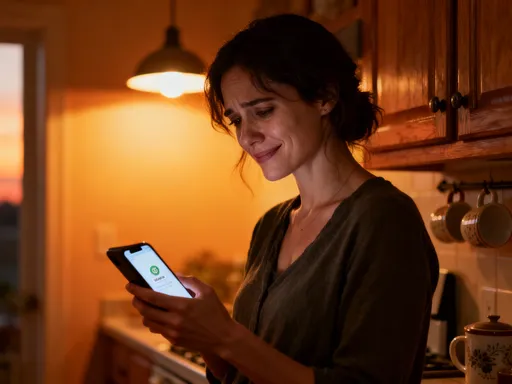
Let’s be honest—how many of us have stood in the kitchen at 7:15 a.m., coffee in one hand, school bag in the other, yelling up the stairs, “Did you brush your teeth?!” while the dog barks and the toaster smokes? That was my life. Every morning felt like a fire drill. I’d rush around turning off lights I’d forgotten about, adjust the thermostat because the house was either freezing or like a sauna, and still manage to leave the back porch light on until noon. And by the time I got in the car, I was already exhausted. It wasn’t just the tasks—it was the mental load. The constant remembering. The guilt over wasting energy. The nagging voice saying, “You really should do better.”
But here’s the truth: willpower doesn’t fix systems. No matter how many times I told myself, “Tomorrow, I’ll be more organized,” the chaos returned. Why? Because I was trying to fix a broken routine with motivation alone. And motivation fades. What I needed wasn’t more discipline—it was support. Something that didn’t rely on me being perfect every single day. I started wondering: what if my home could help me? Not in a flashy, complicated way, but quietly, gently—like a good friend who knows when to hand you a glass of water before you even realize you’re thirsty. That’s when I began looking into smart home technology, not as a luxury, but as a practical tool for real life.
Finding the Right Tool: Not Just Another Gadget
I’ll admit, I was skeptical at first. I’d seen those ads—homes where people wave at the walls and their entire living room transforms. That’s not me. I didn’t want something that felt like science fiction. I wanted something that felt like common sense. So I started researching—not for the fanciest system, but for one that was simple, reliable, and actually fit into the messiness of daily life. I didn’t need 20 apps or voice commands for every light. I needed something that worked in the background, without drama.
After a few weeks of reading reviews, asking questions in online groups, and even chatting with a neighbor who’d made the switch, I found a system that stood out. It wasn’t the most expensive, and it wasn’t the one with the most features. But it did three things really well: it learned my habits, it worked with the devices I already had, and it didn’t require me to become a tech expert. It connected to my lights, thermostat, and a few key appliances—nothing invasive. And the setup? Surprisingly easy. I did most of it myself in an afternoon, following clear instructions. No wiring, no electrician. Just a few smart plugs, a hub, and a quick app download.
What sold me was how it adapted to me, instead of the other way around. Most gadgets want you to change your behavior. This one observed it. For the first few days, it just watched—when I turned on lights, when I adjusted the heat, when I left the house. Then, slowly, it started making gentle suggestions. “Based on your routine, would you like the living room lights to turn off at 9:30 p.m.?” or “Your thermostat usually drops at 10 p.m.—set a schedule?” It wasn’t bossy. It was helpful. And that made all the difference. This wasn’t about adding more to my plate. It was about removing the things I kept forgetting.
How It Quietly Changed My Mornings
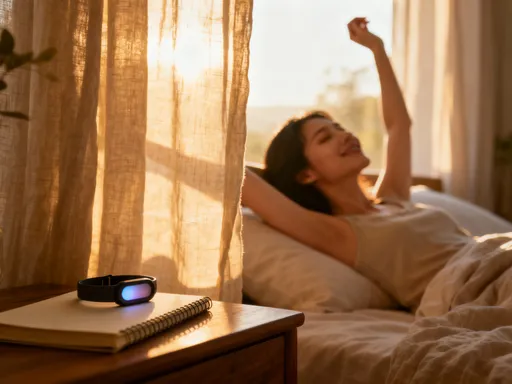
The first real shift happened in the mornings. I didn’t expect that. I thought the biggest win would be turning off lights or saving on the electric bill. But what changed first was how I *felt* when I woke up. Instead of jolting awake to a blaring alarm in a dark room, my bedroom lights now begin to brighten gently about 20 minutes before my alarm. It’s like a sunrise in my room. I don’t even need the loud beep anymore—my body just wakes up more naturally. And downstairs, the thermostat has already adjusted so the house isn’t icy when I step out of the shower.
Here’s the magic: I didn’t have to program any of this. The system learned when I usually got up and started making small adjustments on its own. Now, when I walk into the kitchen, the coffee maker—plugged into a smart outlet—has already started brewing. Not because I set a timer months ago and forgot to change it when our schedule shifted, but because the system knows when I’m up and moving. And the best part? The porch light turns off automatically when the sun comes up. No more forgetting. No more guilt.
These aren’t huge changes, but together, they’ve transformed my mornings from a sprint to a smooth start. I’m not racing against the clock. I’m not yelling. I’m present. And that has ripple effects. My kids notice. My mood is better. And yes, my energy use has dropped—by about 18% in the first month, according to the app. But the real savings? It’s in my mental energy. I’m not spending my morning correcting mistakes. I’m actually enjoying it.
The Afternoon Slump? Gone.
Afternoons used to be rough. Around 2:30 p.m., I’d hit a wall. Maybe it was the sugar crash from a too-sweet lunch, or the post-lunch slump that sneaks up on everyone. But I started to notice something: when the house was quiet, the energy use wasn’t. Lights stayed on in empty rooms. The TV was in standby mode, sipping power all day. The fan in the guest room? Running for no one. I hadn’t realized how much background noise—both literal and energetic—was draining me.
With the new system, that changed. Now, when the house is empty—during school hours or when I run errands—the system automatically powers down non-essential devices. Lights turn off. The thermostat shifts to an energy-saving mode. Even the entertainment center goes into deep sleep, not just standby. And when I come home, it wakes up—no waiting, no fumbling for remotes.
But here’s what surprised me: I felt less tired. Not just because the house was cooler or quieter, but because there was less *mental clutter*. I wasn’t subconsciously aware of all those little energy leaks anymore. It was like the house had taken on some of the burden of managing itself. And that gave me space. Space to sit with a cup of tea. Space to help with homework without feeling distracted. Space to just *breathe*.
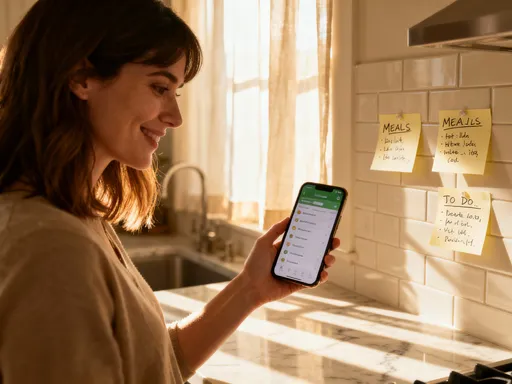
The system also started giving me gentle insights. The app shows me a weekly summary—when energy use was highest, which rooms used the most, and where I could make small tweaks. No judgment. Just information. I learned that our family’s biggest drain was actually the guest bathroom fan, which someone—ahem, my teenager—left on for hours. Once I saw it, I mentioned it casually, and now it’s fixed. No lectures. No nagging. Just awareness.
Evenings That Actually Feel Like Rest
Evenings used to blur together. We’d come home, turn on every light, leave the TV on in the background, and somehow end up in different corners of the house, each of us staring at a screen. The house felt loud, even when no one was talking. And I’d go to bed feeling like I hadn’t really *been* with my family, even though we’d all been under the same roof.
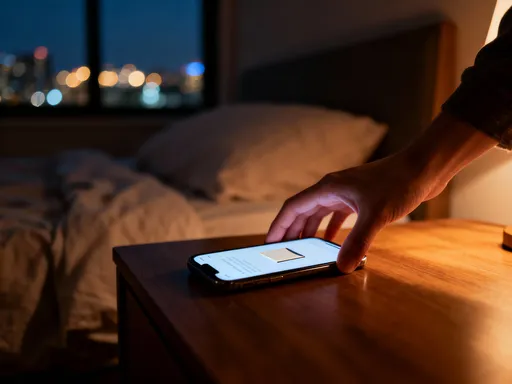
Now, our evenings feel different. About an hour before bedtime, the system starts the “wind-down” routine. Lights dim to a warm, soft glow. The thermostat adjusts to a cooler, sleep-friendly temperature. Non-essential outlets—like the TV power strip and gaming console—turn off automatically. And the house just… settles.
It’s amazing how much these small cues affect our mood. The dimmer lights signal to our brains that it’s time to slow down. The cooler air helps us sleep better. And without the constant hum of devices, the house feels peaceful. We’ve started having more conversations. Playing board games. Even reading together. It’s not that we’ve become a perfect family—we still argue over chores and screen time—but we’re more *present*.
And again, the energy savings follow naturally. We’re using about 25% less electricity in the evenings now. But more than that, I feel like we’ve reclaimed our home. It’s not just a place where we eat and sleep. It’s a place where we rest, connect, and recharge—both as people and as a family. That’s worth more than any dollar amount.
What I Learned About Myself (and My Home)
Here’s the unexpected part: this system didn’t just change my home. It changed how I see myself. I used to think I was just bad at routines. That I lacked discipline. That I’d never be the kind of person who remembered to turn off the lights or keep the house at the right temperature. But the data showed me something different. It wasn’t that I didn’t care. It was that I was overwhelmed. I was trying to manage too much, all at once, with no support.
Seeing my energy use patterns—when we used the most, where the leaks were—gave me compassion for myself. I wasn’t failing. I was just human. And once I had that awareness, I could make better choices—not out of guilt, but out of clarity. I started turning off lights without thinking. I became more mindful of how long the oven stayed on. I even taught my kids how to check the app and see how much energy we’d saved that week. It became a little family game.
The technology didn’t fix me. It reflected me. And in that reflection, I found room to grow. It’s like having a quiet coach who doesn’t shout instructions but just helps you see what’s already there. And the changes that stuck weren’t forced. They were natural, because they were supported. I didn’t have to white-knuckle my way to better habits. The system made them easier, so they became normal.
Why This Isn’t Just About Saving Money
Yes, my electric bill is lower. That’s nice. But if I’m honest, that’s not why I keep using this system. I keep using it because I feel calmer. Because my mornings are gentler. Because my family feels more connected. Because my home no longer feels like a list of chores I’m failing to complete.
This isn’t about being high-tech. It’s about being human. It’s about admitting that we all need help sometimes. That we don’t have to do everything on our own. That it’s okay to use tools that make life a little easier, a little kinder, a little more peaceful. Technology doesn’t have to be cold or complicated. It can be warm. It can be supportive. It can be the quiet hand that helps you up when you’ve been saying “tomorrow” for too long.
If you’ve ever looked around your home and thought, “I wish I could just get it together,” I want you to know—you’re not lazy. You’re not broken. You’re just trying to do too much without the right support. And that’s okay. Maybe it’s time to let your home help you. Start small. Pick one thing—the porch light, the thermostat, the coffee maker. Let a little automation take that off your plate. See how it feels to not have to remember.
Because sometimes, the biggest changes don’t come from willpower. They come from having a little help. And maybe, just maybe, that help has been waiting in your home all along.