Switched from 3 Video Apps to 1 Secure Platform: How My Family’s Privacy Finally Felt Safe
Remember that awkward moment when your toddler wandered into a work call? Or when a private conversation accidentally got shared? I’ve been there. Like many of us, I used to juggle multiple meeting apps—until I realized how much of my family’s life was exposed. It wasn’t just about convenience; it was about trust. What if the tool keeping us connected was also the weakest link in our digital safety? That question changed how I saw online meetings forever. We were logging in for school, work, and weekend check-ins with Grandma, but somewhere along the way, I started feeling like our home was no longer fully ours during those video calls. The laughter, the mess, the quiet moments—they were all part of what made our days real, but they were also being broadcast without us even realizing it. That’s when I knew: it was time to make a change.
The Video Call Chaos We All Know
Let’s be honest—most of us didn’t plan to live this digitally tangled life. A year ago, video calls were for birthdays or long-distance relatives. Now? They’re woven into the rhythm of our days. My mornings start with a team check-in on one app, my daughter’s reading group happens on another, and by evening, we’re hopping onto a third just to say goodnight to my sister across the country. Three different platforms. Three different logins. Three different sets of rules I never read. And honestly, I wasn’t alone. So many moms I talk to are in the same boat—juggling apps like they’re juggling groceries, kids, and laundry all at once.
Then came the moment that stuck with me. I was wrapping up a work call, camera still on, when my son ran into the room shouting, “Mom! The dog ate my sandwich!” I laughed, the team laughed, and I thought nothing of it. But later, scrolling through settings, I noticed something unsettling: that app saved recordings by default—even for meetings I didn’t ask to record. And those recordings? Stored in a cloud I didn’t fully understand. Suddenly, that funny moment wasn’t just a memory; it was a data point. My son’s voice, our living room layout, even the bookshelf behind me with family photos—digitally captured, possibly shared, definitely stored. And I hadn’t even said yes.
This isn’t about being paranoid. It’s about realizing how easily convenience trades privacy. We download apps because they’re free, fast, and familiar. We click “accept” without reading because we’re tired, busy, or just want the call to start. But each shortcut chips away at our digital boundaries. And when your home becomes your office, classroom, and social space, those boundaries matter more than ever. The chaos wasn’t just in the number of apps—it was in the invisible access we were giving away every time we hit “join.”
Why We Ignore the Hidden Risks
Here’s the truth: most of us don’t ignore privacy risks because we don’t care. We ignore them because we’re counting on trust. We assume that if a company is big, well-known, or recommended by a friend, it must be safe. It’s like locking the front door but leaving the kitchen window open because “no one climbs in these days.” We protect what feels vulnerable, but we overlook what feels routine. And video calls? They’ve become so routine, we don’t see them as security moments—they’re just how we talk now.
But here’s what we’re not talking about: every time we join a call, we’re sharing more than our faces. The background noise—kids playing, a spouse’s voice off-camera, the name on the mailbox visible through the window—can all be clues to someone with the wrong intentions. And some platforms collect that audio, even when you’re not speaking. I didn’t know that until I dug into a privacy report from a digital rights group. They found that certain free apps license background data to third parties for “product improvement.” Translation? Your family’s daily soundtrack might be helping train someone else’s AI.
And it’s not just about strangers. Think about how many times you’ve left a laptop open while helping a child with homework, assuming the camera was off. But what if it wasn’t? Some apps reactivate when the device wakes up. No pop-up, no warning—just a live feed. I learned this after noticing a tiny green light on my husband’s laptop that wouldn’t turn off. A quick search revealed the camera had been triggered by a background update. Nothing malicious—but a wake-up call all the same. We were treating our devices like appliances, not digital windows into our lives. The risk wasn’t always dramatic. It was quiet. It was constant. And because we couldn’t see it, we didn’t stop it.
The Day My Meeting Data Felt Exposed
The turning point came on a regular Tuesday. I was setting up a call for my book club when I noticed a notification: “This app may share data with third-party advertisers.” I’d seen it before, but this time, I paused. I clicked through. What I found wasn’t a scandal, but it was sobering. The app collected meeting metadata—who joined, when, for how long—and combined it with my contact list and email activity. It wasn’t selling my video, but it was building a profile of my social habits. Who I talk to. When I’m most active. How long I linger after meetings end. It felt like someone was taking notes on my friendships.
Then I read about a small breach from the previous year. Nothing huge—no passwords leaked, no bank details exposed. But usernames, profile photos, and meeting IDs were accessed by unauthorized users. One tech blog called it “low impact,” but to me, it wasn’t. Meeting IDs can be reused. Profile photos show faces. And usernames? Mine was “momof2inohio”—a little too close to real life. I realized that even a “minor” breach could lead to targeted scams, like someone pretending to be my daughter’s teacher or a fake link from “your book club host.” The digital world doesn’t forget, and neither do the people watching.
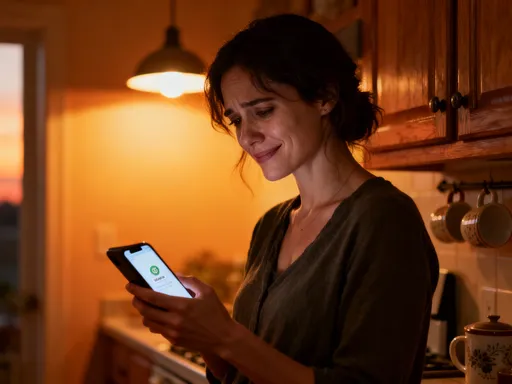
That night, I told my husband what I’d learned. We sat at the kitchen table, laptops open, scrolling through our most-used apps. One by one, we checked permissions. Microphone access? On. Camera access? Always on. Location tracking? Even for a desktop app with no reason to know where we were. It wasn’t malicious—but it was excessive. And the worst part? None of it was clearly explained when we signed up. We’d traded transparency for speed. That moment shifted something in me. I wasn’t just a user anymore. I was a guardian. And my family’s digital life deserved better than default settings.
What Makes a Platform Truly Reliable
So, what does a trustworthy video platform actually look like? I did the research—not as a tech expert, but as a mom who wanted to understand. The first thing I looked for was end-to-end encryption. That means only the people in the call can access it—no third parties, not even the company itself. It’s like sending a letter in a sealed envelope versus a postcard. Anyone can read the postcard, but the envelope? That’s private. Not all apps offer this, but the ones that do make it a point to say so upfront.
Next, I paid attention to the privacy policy. I know—nobody reads those. But I skimmed, searched for keywords, and even watched a video summary one company provided. I looked for clear language: no “we may share” or “data used for improvement.” Instead, I wanted “we don’t store recordings” or “we don’t sell your data.” I also checked if the app collected less, not more. Why does a video tool need my birthday or my child’s school name? It doesn’t. The best platforms ask only for what’s necessary: your name, email, and access to camera and mic—nothing else.
And here’s the part that surprised me: reliability isn’t just about security. It’s about ease. If a platform is so complicated that my parents can’t use it, or my kids get stuck in a waiting room, it’s not truly reliable. I wanted something that felt seamless—like turning on a light. No tutorials, no confusion. And it had to be consistent. One app changed its layout every few months, leaving me relearning how to mute myself. That’s not just annoying—it’s a privacy risk. When you’re fumbling with buttons, you might forget to turn off recording or share your screen by accident. True reliability means the tool works quietly in the background, so you can focus on what matters—your people.
How One Change Simplified Our Digital Life
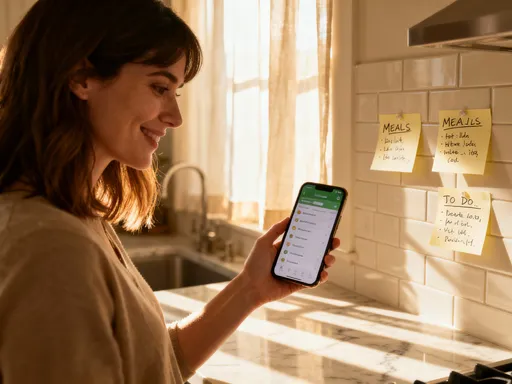
We made the switch six months ago. One platform. One login. One set of rules we all learned together. At first, it felt like downsizing after living in a too-big house. Where did everything go? But quickly, the clutter faded. No more switching between apps. No more resetting passwords. No more explaining to my sister why the link changed again. Instead, we had a rhythm. School calls, family calls, even my weekly yoga group—all in one place.
The biggest change wasn’t technical. It was emotional. I started leaving my laptop open on the kitchen counter, something I never did before. Not because I was careless, but because I finally trusted the tool. If my daughter ran in during a call, I didn’t panic. I knew the meeting was encrypted. I knew it wouldn’t be saved unless I chose to. I knew no one was listening in the background. That peace of mind was worth more than any feature list.
My husband noticed it too. He used to close the laptop lid between meetings, almost like shutting a door. Now, he leaves it open, camera covered with a simple sticker we put on together. It’s a small thing, but it speaks volumes. We’re not hiding—we’re choosing. And our kids are learning that too. We had a family chat about “digital manners.” They know not to shout during a work call. They understand why we blur the background sometimes. It’s not about fear. It’s about respect—for each other, and for our shared space, both physical and digital.
Simple Steps Anyone Can Take Today
You don’t need to overhaul everything overnight. I didn’t. Start small. Pick one app—the one you use most—and check its settings. Look for the privacy section. Is end-to-end encryption available? Turn it on. Can you disable automatic recordings? Do it. Change your default background to something neutral, not your living room. These aren’t restrictions—they’re choices. And every choice is a way of saying, “This is my space.”
Next, enable the waiting room. It’s like having a front porch before someone enters your home. You see who’s there before you let them in. It stops crashers, yes, but it also gives you a breath before the call starts. That moment of pause? It’s a gift. Use it to reset, to smile, to be present. And teach your kids to do the same. Show them how to mute when they join, how to wave instead of yelling. These habits aren’t just polite—they’re protective.
Update your password. Not “password123,” not your pet’s name. Use a mix of letters, numbers, and symbols. Better yet, use a password manager. It sounds fancy, but it’s like a digital lockbox for all your keys. One strong password to open it, and the rest are stored safely. And finally, talk to your family. Not in a scary way, but in a “let’s take care of our home” way. Ask your teens to check their app permissions. Show your parents how to spot a fake meeting link. Make it part of your routine, like checking the locks at night. These aren’t tech tasks—they’re acts of care.
More Than Meetings: A New Sense of Control
What I didn’t expect was how much better I’d feel overall. It’s not just that our calls are safer. It’s that I’m calmer. I’m more present. I listen more, stress less. There’s a quiet confidence that comes from knowing you’ve taken a stand—not against technology, but for your family’s dignity. We’re not data points. We’re people. And our moments—messy, loud, beautiful—belong to us.
This shift didn’t just protect our privacy. It deepened our connections. Because when you’re not worried about who might be watching, you can truly show up. You can laugh without hesitation. You can let the dog bark in the background. You can be real. And in a world that often feels rushed and artificial, being real is the most radical act of all.
So if you’re still juggling apps, still feeling that low hum of digital anxiety, know this: you’re not behind. You’re right on time. One change can ripple through your days. One choice can restore your sense of safety. It’s not about being perfect. It’s about being intentional. And when you protect your digital home, you’re not just securing data—you’re honoring life. Your life. Your family’s story. And all the quiet, precious moments that make it worth protecting.