Beyond the Numbers: How Sleep Tracking Gave Me Back My Weekends
Ever wake up after eight hours of sleep still feeling exhausted—especially on Saturday morning? I did. For months, my weekends were hijacked by fatigue, coffee crashes, and that foggy “Why am I so tired?” feeling. I thought rest was just about time spent in bed—until I tried a sleep monitoring tool. What started as curiosity turned into a real game-changer. It didn’t just show me how much I slept, but how well—and how to finally wake up feeling refreshed, ready to enjoy my family, my hobbies, and myself again.
The Weekend That Felt Like a Hangover (Even Without the Party)
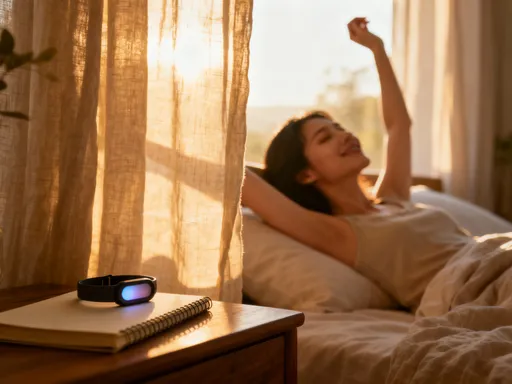
Remember those dreams of lazy weekend mornings? Sunlight drifting through the curtains, a hot cup of tea in hand, maybe pancakes sizzling while the kids laugh in the next room? That was the fantasy. The reality? I was hitting snooze three times, dragging myself out of bed at noon, and still feeling like I’d barely slept. My body felt heavy, my thoughts were slow, and the only thing I wanted was to lie down again. I’d promise myself I’d take the dog for a long walk, finally organize that closet, or call my sister—but instead, I’d end up scrolling on the couch, wrapped in a blanket, wondering where my energy had gone.
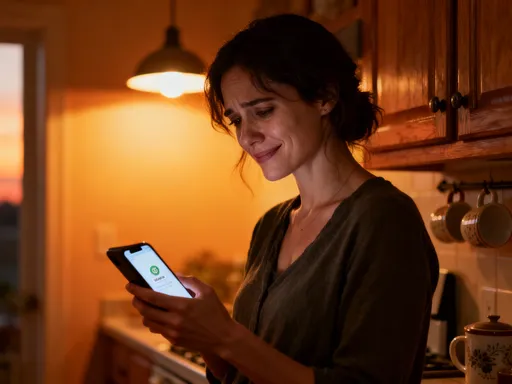
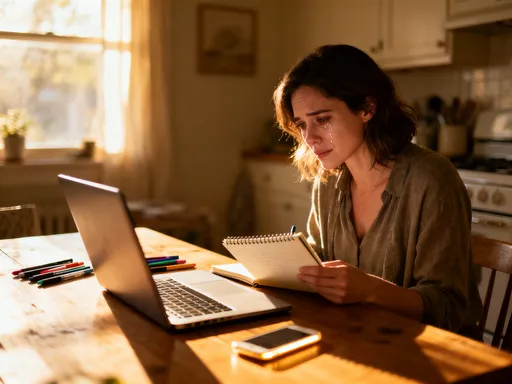
It wasn’t just physical. The emotional weight of it all was worse. I felt guilty. Here I had free time—precious, rare time—just sitting there, and I was wasting it. I missed breakfast with my partner because I couldn’t get up. I skipped my daughter’s soccer game because I was too drained. I wasn’t present. I wasn’t joyful. I was just… stuck. And the worst part? I couldn’t figure out why. I was sleeping eight, sometimes nine hours! How could I still feel like I’d pulled an all-nighter? I started to wonder if maybe I was just getting older, or if this was just how life was supposed to feel after kids and responsibilities took over. But deep down, I knew something was off.
That moment when you realize your days off are passing you by—it hits hard. It’s not dramatic. There’s no crisis, no emergency. Just a quiet erosion of joy. And for me, it wasn’t just about being tired. It was about missing life. The weekends were supposed to be mine, a chance to recharge, to connect, to breathe. Instead, they felt like an extension of the weekday grind—only slower, heavier, and more frustrating. I wasn’t recovering. I was surviving. And I didn’t want to live like that anymore.
Trying Sleep Tracking: More Than Just Curiosity
I’ll admit it—I wasn’t exactly excited about wearing a gadget to bed. The idea of tracking my sleep felt a little obsessive, like I was turning my body into a science experiment. I pictured myself staring at charts, stressing over numbers, becoming one of those people who talks about their “sleep score” like it’s a report card. But honestly? I was desperate. If this little device could give me even one clue about why I felt so wrecked every weekend, it was worth a try.
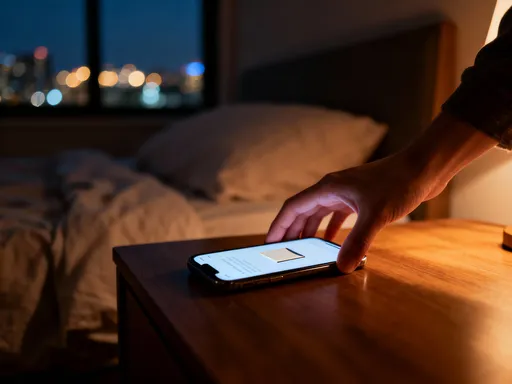
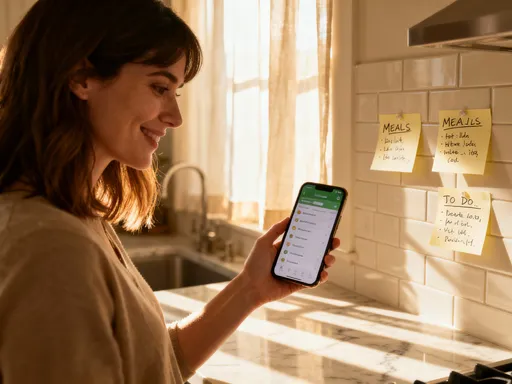
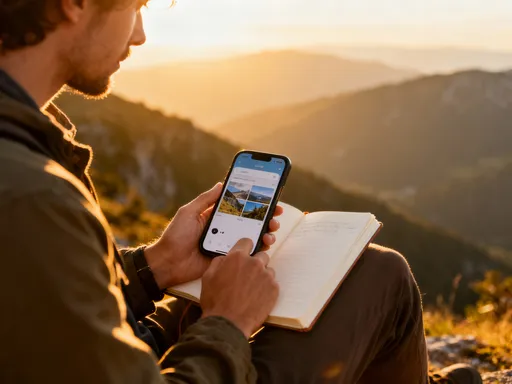
I started with the fitness tracker I already owned—a simple wristband I’d mostly used to count steps. I didn’t buy anything fancy. I just turned on the sleep tracking feature one Friday night and went to bed like normal. No big changes. No special routine. Just me, my pajamas, and my usual late-night scroll through social media before lights out. When I woke up, I opened the app out of curiosity. And there it was: a little graph showing my sleep stages, my heart rate, even how many times I’d moved during the night.
At first, I didn’t know what to make of it. The colors looked nice—blue for deep sleep, light gray for light sleep, red for when I was awake. But the numbers? They were shocking. According to the data, I’d been in bed for eight hours and 22 minutes—but only 56 minutes of that was deep sleep. One hour. And I’d woken up seven times, most of them brief, but enough to break my rest. My heart rate had spiked around 4:30 a.m., like my body was stressed, even though I didn’t remember waking up. I stared at the screen, confused. This didn’t match how I thought I was sleeping. I wasn’t tossing and turning. I wasn’t wide awake at 3 a.m. So why was my body clearly struggling?
That’s when it hit me: sleep isn’t just about time. It’s about quality. And I’d been completely blind to that. I’d assumed that if I was in bed long enough, I was resting. But the data told a different story. My body wasn’t recovering, even when my mind thought it was. That “rested” feeling I craved? It wasn’t coming from hours under the covers. It was coming from something deeper—something I couldn’t see, but the tracker could.
What the Data Actually Told Me—And Why It Mattered
Over the next few nights, I kept tracking. And the patterns started to emerge. Every time I drank wine with dinner, my deep sleep dropped. Every time I watched a show in bed, I spent more time in light sleep and woke up more often. And if I stayed up past 11 p.m. scrolling, my heart rate stayed elevated for hours after I finally turned off the light. It wasn’t one big thing—it was a series of small habits, each chipping away at my rest without me even noticing.
What surprised me most was how much the data helped me connect the dots. I’d always thought of sleep as this mysterious, passive thing—something that just happened if I was lucky. But seeing it laid out like this made it feel real. It wasn’t magic. It wasn’t just “how I was built.” It was a system, and my choices were affecting it. The tracker didn’t judge me. It didn’t shame me for that second glass of wine or the late-night email check. It just showed me what happened. And that made all the difference.
For example, I learned that my weekend “treat” of sleeping in until 9 a.m. was actually making me feel worse. My body expected to wake up around 7, and when I pushed it, I felt groggy and disoriented—like jet lag without the travel. The data showed my sleep efficiency dropped on those mornings, and my mood scores (yes, the app guessed my mood based on rest patterns) were lower. I wasn’t giving myself more rest. I was confusing my body’s rhythm.
Another eye-opener? How food and timing mattered. I loved a late dinner on Fridays—something warm, comforting, maybe a little indulgent. But the tracker showed that when I ate after 8 p.m., my body was still working hard to digest when it should have been winding down. My temperature stayed higher, my heart rate didn’t slow as much, and I spent more time in restless sleep. It wasn’t that I had to give up my favorite meals—but maybe just eat them earlier. Small change. Big impact.
Small Changes, Big Results: Tweaking My Weekend Routine
Okay, so I had the data. Now what? I didn’t want to become a sleep perfectionist. I didn’t want to live by a rigid schedule or give up every little joy. But I did want to feel better. So I started with just two changes. First, I set a “no screens” rule one hour before bed. No phone, no TV, no laptop. Instead, I’d read a book, journal, or sip herbal tea. Second, I swapped my evening glass of wine for a calming tea—chamomile or passionflower. I wasn’t giving up alcohol forever, but I wanted to see what happened if I gave my body a break.
The first weekend was… hard. I missed scrolling. I felt restless without that last check of my messages. And the tea? It felt silly at first, like I was playing pretend at being healthy. But by the second night, something shifted. I noticed I was falling asleep faster. Not dramatically, but noticeably—maybe 15 minutes sooner than usual. And when I woke up, I didn’t feel that heavy, “I need three coffees” exhaustion. I still wanted coffee (who doesn’t?), but I didn’t feel dependent on it just to function.
Then I added a third change: a consistent wake-up time. Even on weekends. I picked 7:15 a.m.—close to my weekday alarm—and stuck to it. No more sleeping in “to catch up.” At first, I worried I’d be tired all day. But the opposite happened. My body started to expect the rhythm. I felt more alert in the mornings, and my energy stayed steadier through the afternoon. I wasn’t crashing by 3 p.m. I wasn’t reaching for sugar or caffeine just to keep going.
The real win? These weren’t huge sacrifices. I didn’t overhaul my life. I didn’t buy special pillows or blackout curtains or expensive supplements. I just made tiny, doable shifts—ones that fit into my real life as a busy woman juggling work, family, and self-care. And slowly, the results built up. My deep sleep increased. My nighttime awakenings dropped. And my mornings? They started to feel like a gift, not a punishment.
The Ripple Effect: How Better Sleep Changed My Whole Weekend
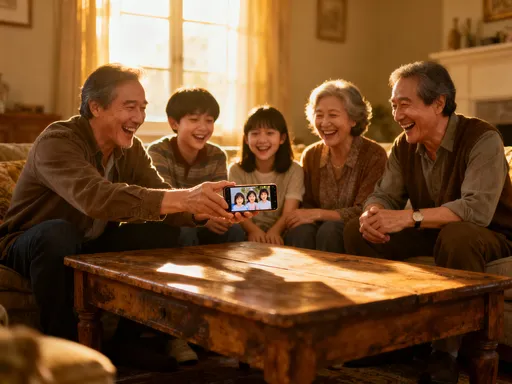
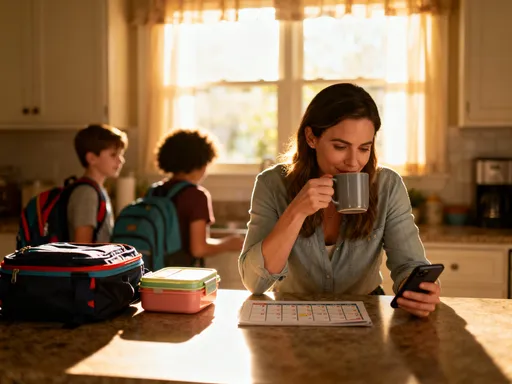
Here’s what no one tells you about better sleep: it doesn’t just make you less tired. It makes you more you. I started waking up with ideas—real ones, not just “I should clean the fridge” thoughts. I felt creative again. I pulled out my watercolor set for the first time in years. I baked with my kids on Saturday mornings instead of begging them to be quiet so I could nap. I actually enjoyed being with my family, not just going through the motions.
My relationship with my partner improved too. We started having real conversations again—no more “I’m too tired” excuses. We took long walks, talked about our dreams, laughed more. I had the patience to listen when he was stressed, instead of shutting down. And he noticed. “You seem lighter,” he said one Sunday. “Like you’re really here.” That meant more than any sleep score.
I even started looking forward to Sundays again. Instead of dreading the week, I felt a sense of calm. I could plan ahead without anxiety. I’d journal, prep meals, or just sit quietly with my tea, feeling grateful. The weekends weren’t just about survival anymore. They were about living. And that shift—it wasn’t from doing more. It was from resting better.
It’s amazing how energy fuels everything. When I had more of it, I wanted to move, to create, to connect. I didn’t need to force myself to be productive or “on.” The motivation came naturally. And the best part? I wasn’t chasing perfection. Some nights were still messy. I still had late dinners, occasional wine, and restless nights. But now I knew why. And I had tools to get back on track—without guilt, without pressure.
What I Learned About Balance—And Why I’m Not Obsessed With the Data Anymore
After a few months, I realized something: I wasn’t checking my sleep score every morning anymore. I didn’t need to. The tracker had done its job. It had taught me to listen—to my body, to my rhythms, to the quiet signals I’d been ignoring for years. I didn’t need the data to tell me I’d had a bad night. I could feel it. And I could also feel when I’d truly rested.
Now, I use the tracker like a check-in. If I’ve had a stressful week, or if I’m feeling off, I’ll wear it for a few nights to see what’s going on. But it’s not my master. It’s my guide. And the real gift wasn’t the device—it was the awareness. It helped me see that self-care isn’t always about spa days or expensive retreats. Sometimes, it’s about turning off your phone an hour early. It’s about choosing tea over wine. It’s about honoring your body’s need for real rest.
I also learned that balance isn’t about strict rules. It’s about patterns. One late night won’t ruin you. One glass of wine won’t destroy your sleep. But doing those things regularly? That adds up. The tracker helped me see the long game. And now, I can make choices with intention, not guilt. If I want to stay up for a movie night with my family, I can. I just know I might need an earlier bedtime the next night to balance it out. That’s power.
And honestly? I don’t care about perfect numbers anymore. I care about how I feel. I care about being present. I care about having energy for the people and things I love. The data got me here—but now, I’m living it.
Why This Might Be the Most Underrated Self-Care Tool You Already Own
If you’re reading this and thinking, “I’m tired all the time, but I don’t know why,” I want you to pause. You’re not broken. You’re not lazy. You’re not failing. You might just be missing a piece of the puzzle. And that piece might already be on your wrist, in your phone, or tucked in a drawer. So many of us have fitness trackers or smartwatches and use them for steps or calls—but never turn on sleep tracking. We think it’s for athletes or data nerds. But what if it’s actually one of the most gentle, insightful forms of self-care available?
It’s not about chasing eight hours of perfect sleep. It’s about understanding your own body. It’s about reclaiming your time, your energy, your joy. It’s about waking up on a Saturday morning and actually wanting to get out of bed—not because you have to, but because you can. Because you feel good. Because you’re ready to live.
So if your weekends feel more like recovery than renewal, I encourage you to try it. Not to obsess. Not to stress. But to learn. Let the data be your mirror, not your judge. See what your body is trying to tell you. And then, make one small change. Maybe it’s turning off notifications earlier. Maybe it’s switching your evening drink. Maybe it’s just going to bed 15 minutes sooner.
Because here’s the truth: rest isn’t just time in bed. It’s quality. It’s rhythm. It’s listening. And when you get it right, it doesn’t just change how you sleep. It changes how you live. For me, sleep tracking wasn’t about numbers. It was about getting my weekends—and myself—back. And if that sounds like something you need, I promise: it’s closer than you think.