How I Tamed My Cravings and Made Low-Salt Living Stick
For years, I chased quick fixes—only to fall back into salty habits. But when my doctor mentioned long-term heart risks, I knew something had to change. This isn’t about extreme restrictions; it’s about rewiring your relationship with food. I’ve tested small shifts that actually last, and the results? More energy, better sleep, and real progress. If you’ve ever felt stuck balancing flavor and health, this journey is for you. Let’s explore how a low-salt lifestyle can become natural, sustainable, and even enjoyable—without feeling deprived.
The Wake-Up Call: When Flavor Cost Me Health
It started with a routine check-up. I wasn’t worried—I exercised, avoided smoking, and didn’t have a family history of heart disease. But the numbers told a different story: my blood pressure was consistently above 140/90 mmHg, placing me in the high-risk category. The doctor didn’t panic, but her tone was firm. She asked about my diet, and when I proudly listed my salads and grilled chicken, she smiled gently and asked, “What about salt?” That simple question cracked open a blind spot I hadn’t even known existed.
Like many people, I associated salt with the shaker on the table. I rarely used it while cooking, so I assumed my intake was low. What I didn’t realize was that over 70% of dietary sodium comes from processed and packaged foods—not the salt added at home. My morning toast, store-bought soup, and favorite flavored rice mix were silently flooding my system with sodium. The truth was unsettling: I was consuming more than 3,500 milligrams of sodium a day, far above the American Heart Association’s recommended limit of 2,300 mg, with an ideal target of 1,500 mg for those at risk.
My turning point wasn’t fear—it was clarity. I began to see that short-term diets, like cutting out bread or banning chips for a week, never stuck because they felt like punishment. They didn’t address the root cause: my dependence on salty flavors and lack of awareness about hidden sources. This time, I committed not to a diet, but to a shift in thinking. Instead of asking, “What can’t I eat?” I started asking, “How can I enjoy food in a way that supports my long-term health?” That small change in perspective made all the difference.
What Really Happens When You Eat Less Salt?
Reducing salt intake isn’t just about avoiding high blood pressure—it’s about giving your body a chance to reset. Sodium plays a critical role in nerve function and fluid balance, but when consumed in excess, it pulls water into the bloodstream, increasing blood volume and pressure on artery walls. Over time, this strains the heart and can lead to serious cardiovascular issues. The Centers for Disease Control and Prevention estimates that nearly half of adults in the United States have high blood pressure, and dietary sodium is a major contributor.
What surprised me most was how quickly my body responded. Within two weeks of cutting back, I noticed less puffiness in my hands and face, especially in the mornings. This was due to reduced fluid retention—a common effect of high sodium intake. Many women in their 30s to 50s report bloating as a monthly struggle, but excess salt can worsen it regardless of hormonal cycles. As my sodium levels normalized, that uncomfortable tightness around my waistband eased significantly.
But the benefits went beyond physical changes. My sleep improved. I used to wake up thirsty in the middle of the night, a sign that my body was working hard to balance fluids. Once I reduced salt, those disruptions faded. Even my skin looked clearer—less dull and puffy. While no single nutrient guarantees glowing skin, reducing inflammation and supporting healthy circulation through lower sodium intake can contribute to a more vibrant appearance. The science is clear: when you consistently eat less salt, your body functions more efficiently, and the effects ripple across multiple systems.
Perhaps the most empowering discovery was how taste adapts. For the first few days, food felt bland. But within a few weeks, my taste buds recalibrated. Natural flavors in vegetables, herbs, and whole grains became more pronounced. What once tasted “boring” now tasted rich and satisfying. Research shows that taste sensitivity to salt can reset in as little as 4 to 8 weeks. This means that the craving for salt isn’t permanent—it’s a habit that can be retrained, not a life sentence.
The Hidden Salt Trap: Where It Lurks (And You Don’t Expect)
If you’re trying to reduce salt, the first step is awareness. The most obvious sources—chips, pickles, and cured meats—are easy to spot. But the real challenge lies in the foods we don’t suspect. Take bread, for example. A single slice of store-bought white or whole wheat bread can contain 150 to 250 milligrams of sodium. For someone eating two sandwiches a day, that’s over 1,000 mg before lunch, with no chips or condiments added. Breakfast cereals, especially flavored or granola varieties, are another silent source, often packing 200 to 300 mg per serving.
Then there are sauces and condiments. Ketchup, soy sauce, salad dressings, and even barbecue sauce are sodium bombs. Just one tablespoon of soy sauce can contain over 900 mg of sodium—nearly half the daily recommended limit. Packaged meals, frozen dinners, and canned soups are also notoriously high. A single serving of canned soup may contain 700 to 1,000 mg, and many people eat the entire can, doubling the intake without realizing it.
Even products marketed as “healthy” can be misleading. Organic, low-fat, or gluten-free labels don’t guarantee low sodium. Some plant-based meat alternatives and veggie burgers contain just as much sodium as their conventional counterparts—sometimes more. The key is reading nutrition labels carefully. The % Daily Value (%DV) is a powerful tool: 5% or less is low, 20% or more is high. But it’s crucial to check the serving size. A package may claim “only 300 mg per serving,” but if the container has two or three servings and you eat it all, the sodium adds up fast.
One strategy that helped me was comparing similar products. I started scanning labels for breads, soups, and sauces with the lowest sodium options. Many brands now offer “low-sodium” or “no-salt-added” versions. I also began using apps that track nutrition, allowing me to log meals and monitor my daily sodium intake. Awareness didn’t make me obsessive—it made me informed. And with information came control.
Flavor Without the Salt: Building a New Kitchen Mindset
Letting go of salt didn’t mean letting go of flavor. In fact, it opened the door to a more creative and satisfying way of cooking. I began to explore herbs and spices not as extras, but as the foundation of taste. Fresh basil, thyme, rosemary, and cilantro added brightness. Ground cumin, paprika, turmeric, and garlic powder brought depth. I discovered that a pinch of smoked paprika could add richness to soups, while fresh dill transformed a simple fish dish into something special.
Acids became my best friends. A squeeze of lemon juice over roasted vegetables, a splash of apple cider vinegar in a grain salad, or a drizzle of balsamic glaze on grilled chicken—these small touches added complexity and balance without a grain of salt. I learned that acidity enhances perception of flavor, making food taste more vibrant. Umami-rich ingredients like mushrooms, tomatoes, and nutritional yeast also helped. Roasting tomatoes deepened their natural sweetness and savory notes, while sautéed mushrooms added a meaty richness to dishes.
I developed a few go-to seasoning blends to keep things interesting. One of my favorites is a Mediterranean mix: equal parts dried oregano, thyme, marjoram, garlic powder, and a touch of lemon zest. I sprinkle it on roasted potatoes, grilled vegetables, or chicken before baking. Another is a smoky Southwest blend with cumin, chili powder, onion powder, and a hint of cinnamon—perfect for beans, rice, or roasted sweet potatoes. These blends made meal prep easier and more enjoyable, turning routine cooking into a small act of creativity.
Cooking techniques also played a big role. Roasting vegetables caramelizes their natural sugars, bringing out sweetness and depth. Grilling adds smoky notes. Marinating proteins or tofu in citrus, herbs, and spices infuses flavor deep into the food. I started using parchment paper packets to steam fish with herbs and lemon—simple, clean, and full of flavor. Over time, I realized that salt had been masking the true taste of ingredients. By removing it, I was finally able to appreciate food as it was meant to be.
Making It Last: Small Habits That Add Up
Sustainability comes from consistency, not perfection. I adopted the 80/20 rule: if 80% of my meals are low in sodium, I allow myself flexibility for the other 20%. This isn’t a loophole—it’s a realistic approach to long-term change. Life includes celebrations, family dinners, and occasional takeout. Instead of feeling guilty, I focus on balance. If I know I’ll be eating out on Saturday, I keep my weekday meals especially clean. This way, I stay on track without feeling restricted.
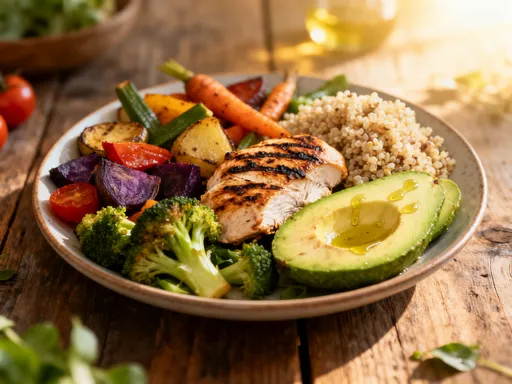
Meal planning became a cornerstone of my success. Every Sunday, I spend an hour reviewing recipes, making a grocery list, and prepping ingredients. I roast a tray of mixed vegetables, cook a batch of quinoa or brown rice, and season beans with herbs and lemon. These components can be mixed and matched throughout the week for quick, satisfying meals. Having healthy options ready reduces the temptation to reach for processed convenience foods when I’m tired or short on time.
Smart grocery shopping supports this system. I stick to the perimeter of the store—produce, dairy, fresh meat and fish—where whole foods live. When I go into the center aisles, I have a list and a purpose. I look for low-sodium canned beans, no-salt-added tomatoes, and unsalted nuts. I avoid shopping hungry, which helps me resist impulse buys. Over time, these habits became automatic, requiring less willpower and more routine.
Eating out doesn’t have to be a setback. I’ve learned to ask for modifications: dressings on the side, no added salt in cooking, steamed instead of fried. Many restaurants are accommodating, especially when you explain it’s for health reasons. I also check menus online beforehand to make choices in advance. Social meals with family or friends remain joyful—they’re about connection, not just food. I focus on the conversation, the company, and the pleasure of shared moments, not on what’s on my plate.
Mindset Shifts That Made the Difference
One of the most profound changes wasn’t in my diet—it was in my thinking. I stopped viewing low-salt eating as a restriction and began seeing it as an act of self-care. This reframing shifted my emotional relationship with food. Instead of thinking, “I can’t have that,” I started thinking, “I’m choosing what supports my energy and well-being.” That subtle change reduced feelings of deprivation and increased motivation.
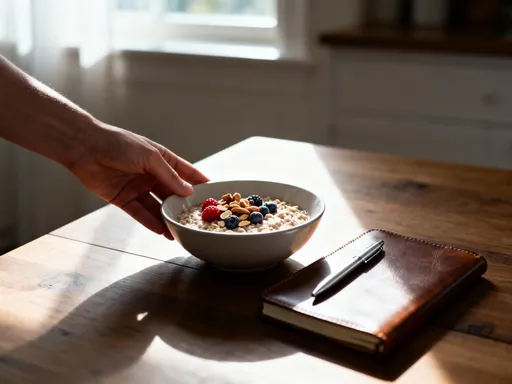
I also broadened how I measured progress. The scale is just one number. I began paying attention to how I felt: Was I sleeping better? Did I have steady energy through the afternoon? Was my digestion smoother? These non-scale victories became powerful motivators. When I felt alert and calm instead of sluggish and bloated, I knew I was on the right path. Tracking these improvements in a journal helped me stay connected to my goals, especially on days when motivation wavered.
Letting go of guilt was essential. There were days I ate something salty—maybe a piece of pizza at a birthday party or a bowl of soup on a cold day. Instead of beating myself up, I practiced self-compassion. I reminded myself that one meal doesn’t erase progress. Long-term health isn’t built on perfection, but on resilience. By treating myself with kindness, I created a sustainable relationship with food—one that could last for years, not just weeks.
Sustainability in Real Life: Staying on Track for Years
After three to six months of consistent low-salt eating, something remarkable happened: my cravings changed. Foods I once loved—chips, salty crackers, processed snacks—started to taste overwhelmingly salty. My palate had adapted. This wasn’t willpower; it was biology. As my taste buds recalibrated, I naturally preferred less salt. This shift made maintenance easier because the desire to overconsume sodium simply faded.
Building a support system helped too. I involved my family by explaining why this mattered and inviting them to try new recipes. We started eating more meals together, which strengthened our connection and made healthy eating a shared value. I also invested in kitchen tools that made low-salt cooking easier: a good set of spices, a citrus juicer, and quality cookware that helped food brown and caramelize without added salt.
Routines anchored the change. Morning tea, a prepared lunchbox, evening walks—these small rituals created structure. I didn’t rely on motivation; I relied on habits. And because the changes were gradual and realistic, they became part of my identity. I wasn’t “on a diet.” I was living a life that valued health, balance, and enjoyment.
This journey taught me that lasting change isn’t loud—it’s quiet, consistent, and deeply personal. A low-salt lifestyle isn’t about missing out; it’s about gaining clarity, health, and freedom from constant cravings. By focusing on long-term habits instead of short-term rules, I’ve built a way of eating that supports me every day. It’s not perfect, but it’s real—and that’s what makes it work.