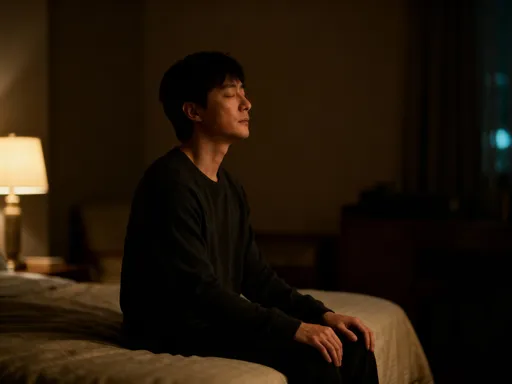
How I Tamed My Chronic Condition with Everyday Changes
Living with a long-term health issue used to feel like running uphill with no end in sight. I was tired, frustrated, and overwhelmed — until I realized the real power wasn’t in drastic fixes, but in small, consistent habits. This isn’t about miracle cures; it’s about sustainable choices that add up. What if managing your condition started not with medication, but with your morning routine, your plate, or your mindset? Over time, I learned that real change doesn’t come from a single decision, but from daily actions repeated with intention. This journey wasn’t about perfection — it was about progress, persistence, and the quiet strength found in ordinary moments.
The Wake-Up Call: Recognizing the Need for Change
For years, the fatigue felt like a shadow I couldn’t shake. Simple tasks — folding laundry, making dinner, walking up the stairs — left me breathless and drained. I had been diagnosed with a chronic condition early in adulthood, and while I followed my doctor’s advice and took prescribed medications, something was missing. My symptoms lingered, and at times worsened, despite medical treatment. I began to feel like a passenger in my own body, watching my life unfold from a distance, unable to fully participate.
The turning point came after a routine check-up when my physician noted that while my lab results were stable, my reported quality of life had declined. That moment hit me: managing a condition isn’t just about numbers on a screen — it’s about how you feel each day. I realized I had been waiting for a solution to arrive, rather than actively shaping my daily habits to support my health. The gap between diagnosis and daily living had grown too wide to ignore. I needed a new approach — one that addressed not just the disease, but the life I was living with it.
It wasn’t denial that kept me stuck — it was hope. I wanted to believe that medicine alone would carry me through. But hope without action can become passive waiting. The emotional toll of living with uncertainty, fatigue, and limited energy began to wear on my sense of self. I felt isolated, even when surrounded by supportive people. Accepting that I needed to take a more active role wasn’t surrender — it was the first step toward regaining control.
Mindset Shift: From Treatment to Daily Management
One of the most powerful changes wasn’t physical — it was mental. I began to see my health not as something to be fixed, but as something to be managed, moment by moment. This shift in perspective changed everything. Instead of viewing my condition as a problem to be solved, I started to treat it as a reality to be lived with — and shaped. Disease management is not a one-time event; it’s a continuous process, much like tending a garden. You don’t plant seeds and walk away; you water, prune, and adjust based on the season.
Central to this shift was developing self-efficacy — the belief that my daily choices mattered. Research consistently shows that individuals who believe they can influence their health outcomes are more likely to engage in positive behaviors and experience better results. This wasn’t about blaming myself for my condition, but about recognizing that I still had agency. I could not control everything, but I could control my response to it.
The language I used with myself began to change. Instead of saying, “I have to eat better” or “I should exercise,” I started saying, “I choose to take care of myself.” This subtle reframe transformed obligation into empowerment. It wasn’t about restriction or punishment — it was about respect for my body and my future. Over time, these small mental shifts built a foundation for lasting change, proving that mindset is not just a soft skill, but a core component of physical well-being.
Nutrition That Works: Eating for Stability, Not Perfection
Diet was one of the first areas I explored, not because I wanted to lose weight, but because I wanted to feel more stable. I had tried restrictive diets in the past — cutting out entire food groups, following trendy plans, or labeling foods as “good” or “bad.” These approaches only led to frustration and guilt. What finally helped wasn’t perfection, but consistency and balance. I shifted my focus from what I couldn’t eat to what would truly support my energy and reduce inflammation.
One key insight was understanding how processed foods affected my body. Foods high in refined sugars and unhealthy fats often led to energy crashes and increased discomfort. Blood sugar spikes, even subtle ones, could trigger fatigue, brain fog, and mood swings. I began reading labels more carefully, not to judge myself, but to make informed choices. I learned to recognize hidden sugars in sauces, dressings, and packaged snacks — places I had never thought to look before.
My approach became practical, not punitive. I started with simple meal prep: chopping vegetables on weekends, cooking batches of whole grains, and keeping healthy snacks within reach. This wasn’t about gourmet cooking — it was about making nutritious choices easier when I was tired or short on time. I focused on whole foods — fruits, vegetables, lean proteins, legumes, and healthy fats — without obsessing over every calorie or nutrient. The goal was sustainability, not speed. Over time, my body responded with more steady energy, fewer symptom flare-ups, and a growing sense of physical resilience.
Movement as Medicine: Finding Joy in Daily Activity
Exercise used to feel like another chore — something I should do, but rarely did. I associated it with gyms, intense workouts, and sore muscles. But what changed everything was redefining movement. I began to see it not as punishment for sitting too long, but as a gift to my body. Even light activity — walking, stretching, gentle yoga — had a measurable impact on my energy and mood. Studies show that regular physical activity can reduce inflammation, improve circulation, and support immune function, all of which are critical for managing chronic conditions.
I started small. A five-minute walk after breakfast. A few stretches before bed. These tiny actions felt manageable, even on my hardest days. The key was consistency, not intensity. On days when I felt better, I might walk for twenty minutes; on tough days, I celebrated just getting outside for a few breaths of fresh air. Over time, these moments added up. I noticed I slept better, my digestion improved, and my mental clarity sharpened.
One of the most effective strategies was linking movement to existing routines. I began taking a short walk after dinner — a habit that served both my health and my family time. It became a ritual, not a task. I also explored low-impact activities like swimming and tai chi, which were gentle on my joints but still provided physical and mental benefits. Movement stopped being something I avoided and became something I looked forward to — not because I was chasing a certain look, but because it made me feel alive.
Sleep — The Silent Game-Changer
If there’s one habit that transformed my health more than any other, it was improving my sleep. For years, I treated sleep as optional — something to sacrifice when life got busy. But poor sleep didn’t just make me tired; it made my symptoms worse. Research confirms that disrupted sleep can increase inflammation, weaken immune response, and heighten pain sensitivity — all of which can exacerbate chronic conditions. I began to see sleep not as downtime, but as active healing time.
My first step was identifying what was disrupting my rest. Screen time before bed was a major culprit. The blue light from phones and tablets interfered with melatonin production, making it harder to fall asleep. I also realized my schedule was inconsistent — going to bed at different times, sometimes working late, or watching TV in bed. Stress, too, played a role. Lying awake, I would replay conversations or worry about tomorrow, keeping my nervous system in a state of alert.
To address this, I created a wind-down ritual. One hour before bed, I turned off screens and dimmed the lights. I replaced scrolling with quiet activities — reading a book, sipping herbal tea, or practicing gentle breathing exercises. I set a consistent bedtime and wake-up time, even on weekends. These changes didn’t fix everything overnight, but over weeks, I noticed a difference. I fell asleep faster, stayed asleep longer, and woke up feeling more refreshed. Sleep became a non-negotiable part of my health plan — not a luxury, but a necessity.
Stress, Emotions, and the Body Connection
One of the most surprising discoveries was how deeply my emotions affected my physical health. Chronic stress — the kind that builds up from daily pressures, unresolved worries, or feeling out of control — wasn’t just in my mind. It was in my body. Elevated cortisol levels, a hallmark of prolonged stress, can increase inflammation, disrupt digestion, and impair immune function. For someone managing a chronic condition, this internal environment can make symptoms worse and recovery slower.
I began to pay attention to my emotional triggers. Was I reacting to a comment at work? Worrying about family responsibilities? Feeling overwhelmed by appointments and routines? Instead of ignoring these feelings or pushing through, I started acknowledging them. I learned simple regulation tools, like mindfulness and journaling. Taking five minutes each day to write down my thoughts helped me process emotions before they built up. Mindfulness — focusing on the present moment without judgment — taught me to notice tension in my body and release it before it turned into physical discomfort.
Emotional well-being isn’t a luxury; it’s a foundation. For years, I thought managing my condition meant focusing only on physical symptoms. But the mind and body are not separate systems — they are deeply interconnected. By addressing emotional stress, I wasn’t being soft or indulgent; I was supporting my physiological health. Over time, I became more resilient, not just physically, but emotionally. I could navigate challenges with greater calm, and that calm, in turn, supported my body’s ability to heal and stabilize.
Building a Life That Supports Health
Sustaining change required more than individual habits — it required designing a life that made healthy choices easier. I looked at my environment: my home, my schedule, my relationships. Were they supporting my goals, or working against them? I began to make small adjustments. I kept healthy snacks visible and sugary treats out of reach. I scheduled walks like appointments, protecting that time as non-negotiable. I limited screen time and set boundaries around work to protect my evenings.
Routine became my ally. I used habit stacking — linking new behaviors to existing ones. For example, after brushing my teeth, I would do two minutes of stretching. After pouring my morning tea, I would take three deep breaths. These tiny rituals created momentum. I also started tracking my progress, not to obsess over perfection, but to notice patterns. A simple journal helped me see what worked and what didn’t, allowing me to adjust without self-criticism.
Most importantly, I embraced flexibility. There were days when I skipped a walk, ate something processed, or stayed up too late. Instead of viewing these as failures, I saw them as part of a real life. Progress isn’t linear. Health isn’t about rigid rules — it’s about resilience, adaptation, and showing up consistently, even when imperfect. By building a life that supported my well-being, I no longer had to rely on willpower alone. The structure itself helped me stay on track.
Small Steps, Big Impact
Looking back, I realize I didn’t transform my health through one dramatic decision, but through hundreds of small, intentional choices. I didn’t cure my condition — and that’s not the goal. The goal was to live better within it. Over time, those tiny shifts — a walk here, a mindful breath there, a balanced meal — accumulated into real change. My energy improved. My symptoms became more manageable. Most importantly, I regained a sense of control and hope.
This journey taught me that health is not just managed in clinics or through prescriptions. It is built in the quiet moments of everyday life — in what we eat, how we move, how we sleep, and how we treat ourselves emotionally. The power to influence our well-being is greater than many of us realize. It doesn’t require extreme measures or perfect discipline. It requires consistency, compassion, and a willingness to start small.
If you’re living with a chronic condition, know this: you are not alone, and you are not powerless. Every positive choice you make matters. Begin with one habit. Choose one change that feels doable. Let it grow. And when you stumble — as we all do — treat yourself with kindness. Sustainable health is not about perfection. It’s about showing up, day after day, with care and commitment. Consult your healthcare provider, honor your limits, and trust that even the smallest steps can lead to a better quality of life. Your journey starts not with a leap, but with a single, gentle step forward.