How Dance Sports Transformed My Health — A Pro’s Honest Journey
For years, I struggled with low energy, poor posture, and stress that never seemed to quit. Then I tried dance sports—not just as exercise, but as a lifestyle shift. Within weeks, I noticed real changes: better balance, sharper focus, and a stronger body. This isn’t just about movement; it’s about reclaiming health in a way that feels joyful, not forced. Here’s how it worked for me—and how it could work for you.
The Hidden Crisis of Modern Inactivity
In today’s fast-paced world, physical inactivity has quietly become one of the most pressing public health challenges. Millions of adults, particularly those between the ages of 30 and 55, spend the majority of their days seated—at desks, in cars, or on couches. The human body was designed for motion, yet modern life increasingly discourages it. According to global health organizations, insufficient physical activity is linked to a higher risk of chronic conditions including heart disease, type 2 diabetes, and certain cancers. Beyond these well-documented risks, sedentary behavior also contributes to poor mental health, reduced mobility, and diminished quality of life.
Despite widespread awareness of these dangers, many people struggle to maintain consistent fitness routines. Traditional gym workouts—while effective for some—often fail to sustain long-term engagement. Treadmills, weight machines, and repetitive exercises can feel monotonous and isolating. For many, especially women managing household responsibilities and professional commitments, the idea of spending an hour lifting weights or running indoors can seem more like a chore than a source of renewal. The lack of emotional connection to the activity often leads to short-lived motivation and eventual dropout.
This is where dance sports emerge as a powerful alternative. Unlike conventional fitness models, dance sports combine physical exertion with rhythm, creativity, and social interaction. They transform exercise from a duty into an experience. The structured yet expressive nature of dance movements engages both body and mind, making it easier to stay committed. Because participants are focused on coordination, timing, and connection—rather than simply burning calories—the perception of effort shifts. What feels like play still delivers significant health benefits, creating a sustainable path toward lifelong wellness.
What Exactly Are Dance Sports?
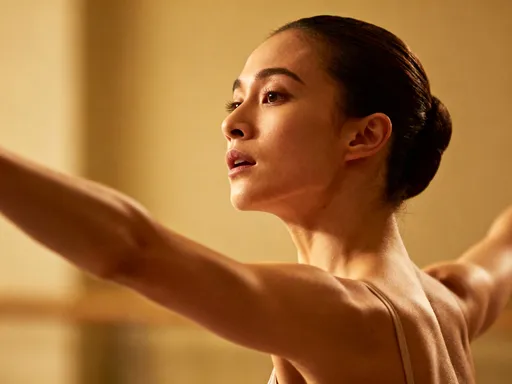
Dance sports, often referred to as competitive ballroom or partner dancing, are athletic disciplines that require strength, precision, endurance, and artistic expression. These include styles such as waltz, tango, foxtrot, quickstep, cha-cha, rumba, samba, and jive. Unlike casual social dancing, dance sports follow strict technical standards, with movements choreographed to music and judged on criteria like posture, frame, footwork, and synchronization. Participants train rigorously, often for hours each week, building cardiovascular stamina, muscular control, and mental focus comparable to athletes in other sports.
One common misconception is that dance sports are only for the young or naturally graceful. In reality, they are accessible to individuals of various ages and fitness levels, especially when taught with proper progression and support. Another myth is that they are purely artistic pursuits without athletic merit. However, dance sports demand high levels of physical conditioning. A single competitive routine can elevate heart rate to levels similar to moderate-intensity running, while the constant shifts in balance and direction engage core muscles, improve joint stability, and enhance overall coordination.
The legitimacy of dance sports as a recognized physical discipline is supported by international institutions. The World DanceSport Federation (WDSF), recognized by the International Olympic Committee, governs competitions and promotes the sport globally. Additionally, many physical therapy and rehabilitation programs have begun incorporating elements of ballroom and Latin dance to improve motor function in patients recovering from injury or managing chronic conditions. This growing integration into mainstream health and fitness underscores the dual role of dance sports: as both performance art and scientifically validated form of exercise.
Why the Body Loves Rhythmic Movement
Rhythmic movement, such as that found in dance sports, aligns naturally with the body’s physiological systems. The repetitive yet variable patterns of steps, turns, and transitions stimulate the cardiovascular system in a way that is both effective and joint-friendly. Unlike high-impact activities such as jogging or plyometrics, which can place stress on knees and hips, dance sports emphasize smooth weight transfer, controlled momentum, and fluid motion. This reduces the risk of overuse injuries while still providing substantial aerobic benefit. Studies have shown that regular participation in rhythmic dance activities can lead to measurable improvements in resting heart rate, blood pressure, and oxygen uptake efficiency.
Beyond cardiovascular health, dance sports significantly enhance musculoskeletal function. The intricate footwork and posture requirements strengthen the muscles of the lower body—particularly the calves, quadriceps, glutes, and core—while promoting joint flexibility in the ankles, knees, and hips. Maintaining proper frame and alignment during partner dancing also reinforces spinal stability and shoulder girdle strength. Over time, this leads to improved posture, reduced back pain, and greater ease in daily physical tasks. For women navigating the physical changes of midlife, such as decreased bone density or joint stiffness, these benefits are especially valuable.
Another key advantage lies in neuromuscular coordination. Dance sports require the brain to send rapid, precise signals to multiple muscle groups simultaneously. This constant communication strengthens neural pathways, improving reaction time, balance, and spatial awareness. Research has demonstrated that individuals who engage in structured dance routines exhibit better proprioception—the body’s ability to sense its position in space—reducing the likelihood of falls, particularly among older adults. The rhythmic predictability of music further supports this process, acting as a temporal guide that helps synchronize movement and enhance motor learning.
Mind-Body Connection: The Cognitive Perks
The benefits of dance sports extend far beyond the physical. One of the most profound impacts is on cognitive function. Learning and memorizing choreography engages multiple areas of the brain, including those responsible for memory, attention, and executive decision-making. Each new sequence requires mental rehearsal, pattern recognition, and adaptation—skills that mirror those used in problem-solving and daily planning. Over time, this mental engagement can contribute to sharper thinking and improved mental resilience, particularly as individuals age.
Scientific studies have linked regular dance practice to a reduced risk of cognitive decline. A long-term study published in the New England Journal of Medicine found that among various physical activities, dance was the only one associated with a significant decrease in dementia risk among older adults. Researchers attributed this to the complex combination of physical exertion, social interaction, and cognitive challenge inherent in dance. Unlike repetitive exercises that become automatic over time, dance continuously presents new challenges, keeping the brain actively engaged.
Equally important is the emotional impact of dance sports. The rhythmic flow of movement, combined with music, triggers the release of endorphins—natural chemicals that promote feelings of well-being and reduce stress. Cortisol, the primary stress hormone, has been shown to decrease following structured dance sessions. Participants often report feeling more centered, calm, and emotionally balanced after a class. For women managing the emotional demands of family life, caregiving, or career pressures, this mental reset can be transformative. The discipline of dance also fosters emotional resilience, teaching patience, perseverance, and self-awareness through the process of mastering difficult steps and routines.
From Technique to Transformation: A Week-by-Week Breakdown
Beginning a dance sports journey can feel overwhelming, but with a structured approach, progress is both achievable and rewarding. A realistic eight-week plan allows beginners to build confidence, develop foundational skills, and experience tangible improvements in physical and mental well-being. The key is consistency, patience, and working with qualified instructors who understand the needs of adult learners.
Week one focuses on posture and basic step patterns. New dancers learn to stand with proper alignment—shoulders relaxed, spine elongated, core engaged—while practicing simple forward and backward walks in time with music. This establishes the foundation for all future movements. Common challenges include stiffness, poor balance, and difficulty hearing the beat. Instructors often use visual cues and slow-tempo music to help students internalize rhythm. By the end of the week, participants typically report feeling more aware of their body positioning and more connected to the music.
Weeks two and three introduce footwork precision and weight transfer. Dancers practice side steps, rock steps, and turns, emphasizing smooth transitions and controlled movement. This phase builds lower-body strength and improves ankle stability. Timing issues are common, but rhythmic counting and metronome-assisted drills help retrain the brain’s response to musical cues. Many begin to notice improvements in coordination and agility during daily activities, such as climbing stairs or carrying groceries.
Weeks four and five shift focus to partner connection and synchronization. Learning to move in harmony with another person requires trust, clear communication, and responsiveness. Dancers develop a stable frame using their arms and torso, allowing for lead-and-follow dynamics without tension. This stage often brings emotional rewards, as the shared experience fosters connection and mutual encouragement. Challenges include mismatched timing and over-gripping, but these are addressed through guided practice and feedback.
Weeks six and seven emphasize stamina and choreographic memory. Longer sequences are introduced, requiring dancers to link steps into fluid routines. Cardiovascular endurance improves as heart rate remains elevated throughout class. Mental focus is tested as dancers recall increasingly complex patterns. Instructors use repetition, visualization, and breakdown techniques to support learning. By this stage, many report higher energy levels, better sleep, and a greater sense of accomplishment.
The final week integrates all elements into a short performance or demonstration. This milestone provides motivation and a sense of achievement. While perfection is not expected, the ability to execute a sequence with confidence marks a significant transformation. Participants often express surprise at how much they’ve improved—not just in dance, but in overall physical confidence and mental clarity.
Who Can Benefit — And Who Should Proceed with Care
Dance sports offer broad appeal and are particularly beneficial for individuals whose lifestyles involve prolonged sitting or limited physical variety. Office workers, homemakers, and professionals in sedentary roles often find that dance provides a much-needed counterbalance to daily inactivity. For aging adults, the combination of balance training, cognitive stimulation, and social engagement makes dance sports an ideal form of preventive health care. Even those in physical rehabilitation—such as recovering from joint injuries or managing mild arthritis—can benefit from adapted dance programs under professional supervision.
However, certain medical conditions require careful consideration before beginning dance sports. Individuals with severe joint degeneration, particularly in the knees or hips, should consult a physician to ensure that rotational movements and weight shifts are safe. Those with vestibular disorders, which affect balance and spatial orientation, may experience dizziness during turns and should seek guidance from a physical therapist. Uncontrolled hypertension or cardiovascular conditions also necessitate medical clearance, as dance can elevate heart rate significantly, especially during faster styles like jive or samba.
Pregnant women or those with recent surgeries should modify their participation based on individual health status. The good news is that many dance studios offer beginner-friendly, low-impact classes that can be tailored to accommodate various physical limitations. The most important step is open communication with both healthcare providers and instructors to create a safe, personalized approach. With proper precautions, the vast majority of adults can enjoy the benefits of dance sports at some level.
Making It Stick: Turning Passion into Habit
Sustaining any new habit requires more than initial enthusiasm—it demands structure, support, and meaningful motivation. One of the greatest strengths of dance sports is the built-in social component. Group classes, practice sessions, and social dance events create a sense of community that enhances accountability. When people feel connected to others with similar goals, they are more likely to show up consistently. This is especially valuable for women who may have limited opportunities for social engagement outside family and work.
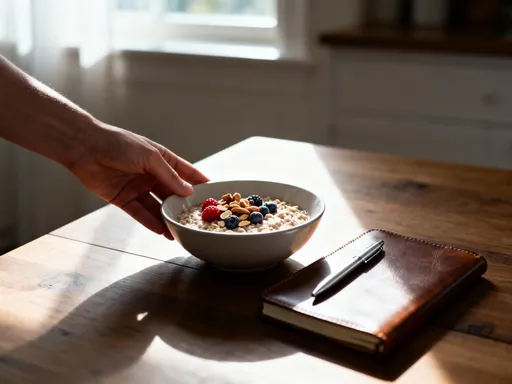
Setting clear, measurable goals also supports long-term adherence. Whether it’s mastering a specific dance style, performing at a local event, or simply attending three classes per week, having targets provides direction and a sense of progress. Tracking milestones—such as improved endurance, better posture, or increased confidence—helps reinforce the value of the effort. Many dancers keep journals or use apps to log their sessions, noting physical and emotional changes over time.
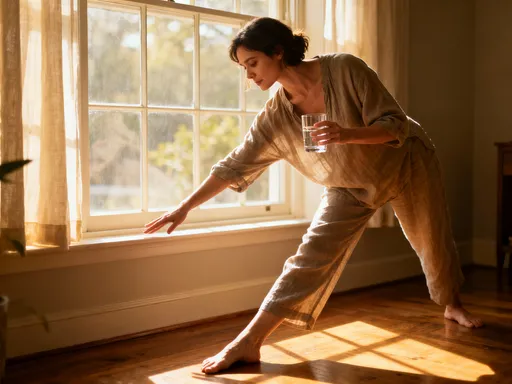
Integrating small dance-based movements into daily life can further solidify the habit. Simple practices—like swaying to music while cooking, practicing balance on one foot while brushing teeth, or taking a five-minute dance break during the day—keep the body accustomed to rhythmic motion. These micro-movements accumulate, contributing to overall fitness and mental refreshment. Over time, dance becomes less of an activity and more of a lifestyle—a natural way to move, express, and recharge.
Professional guidance plays a crucial role in maintaining momentum. Working with certified instructors ensures proper technique, reduces injury risk, and provides personalized feedback. Many studios offer tiered programs, allowing dancers to progress from beginner to advanced levels at their own pace. Some even partner with wellness centers to combine dance with nutrition counseling, stress management, and mindfulness training, creating a holistic health ecosystem.
Dance sports offer more than physical gains—they represent a holistic reimagining of fitness. By blending art and athleticism, they turn health improvement into an engaging, lifelong practice. With professional guidance and personal commitment, anyone can harness their transformative power.